
Sculpture is one of the oldest and most intimate forms of art. Unlike a painting, which invites you to look at a window, a sculpture invites you to share its physical space. It is tactile, three-dimensional, and changes as the light moves across its surface.
Whether you are a seasoned collector or a curious newcomer, understanding the various types of sculpture can help you appreciate the mastery behind the form. Here is an all-encompassing guide to the different ways artists shape our world.
1. Classification by Dimension (Depth and Space)
How a sculpture interacts with its background determines its “type.” Most sculptures fall into one of two categories:
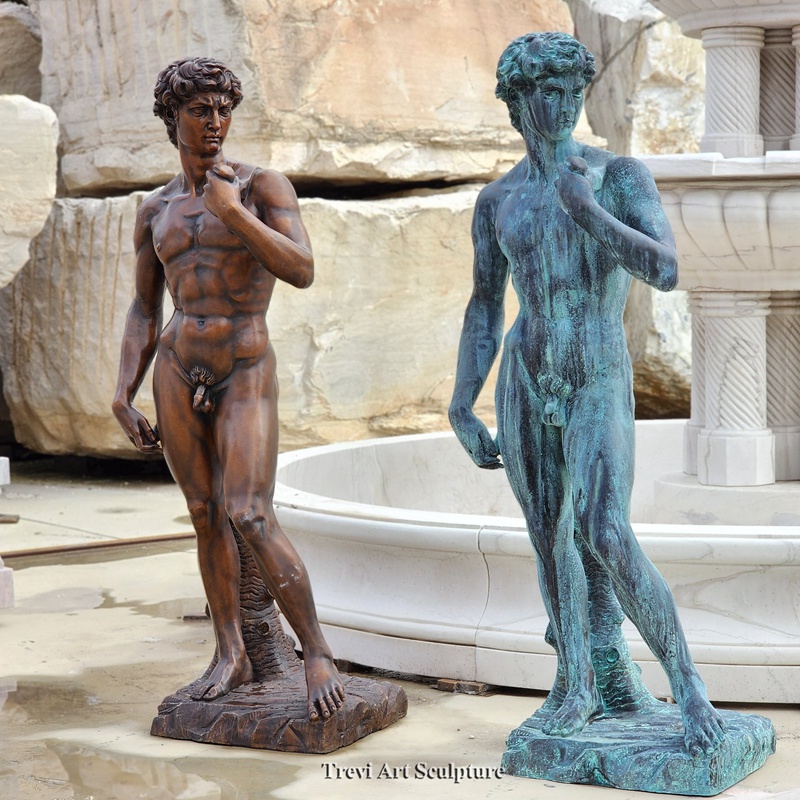
Free-Standing (Sculpture in the Round): These are pieces finished on all sides. You can walk 360 degrees around them, and they are designed to be viewed from every angle. Think of Michelangelo’s David or a modern garden statue.

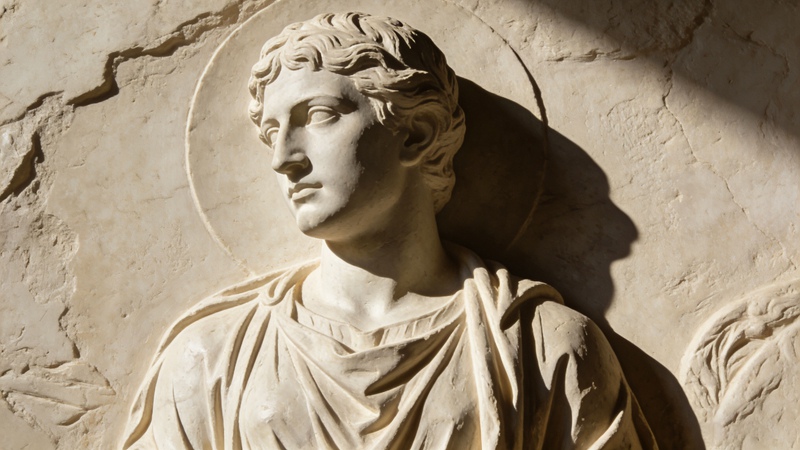
Relief Sculpture: These are attached to a background surface (like a wall or a coin). They are categorized by how far they project:
Bas-relief (Low Relief): Shallow depth, like the images on a nickel.
Alto-relief (High Relief): Figures project at least half their natural depth, creating deep shadows.
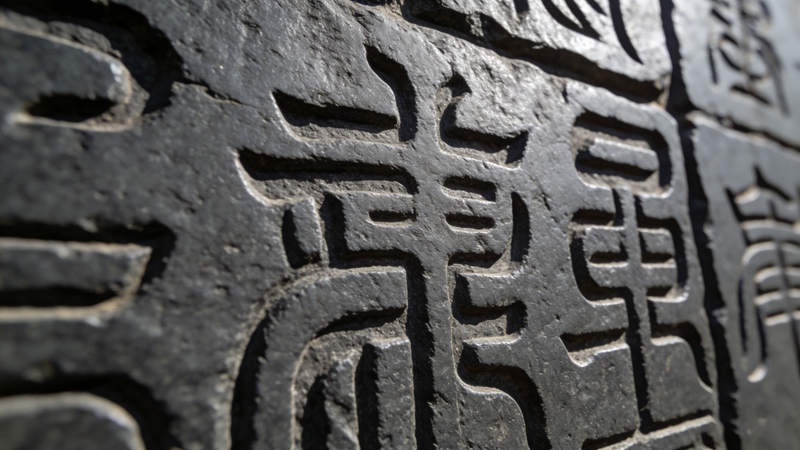
Sunken Relief: The design is carved into the surface rather than projecting out of it.

2. Classification by Method (The “How”)
Sculptors generally use four primary techniques to bring their visions to life:
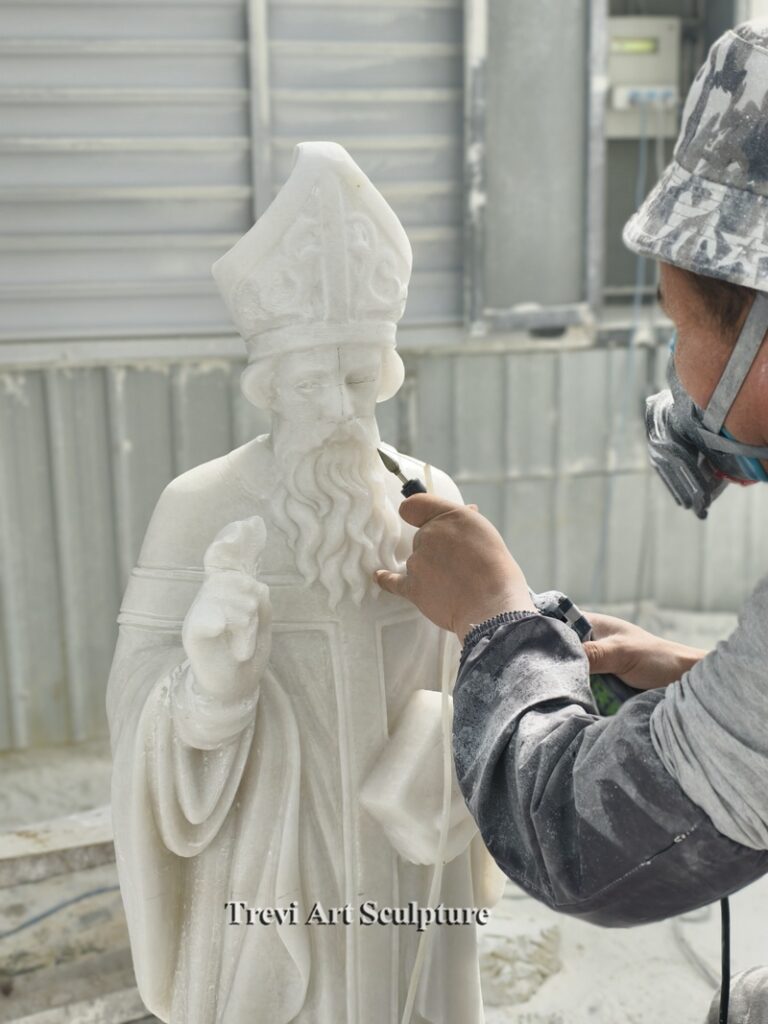
Subtraction (Carving)
The artist starts with a solid block (marble, wood, or ivory) and systematically chips away material. It is an unforgiving process—once a piece of stone is gone, it’s gone forever.
Addition (Modeling)
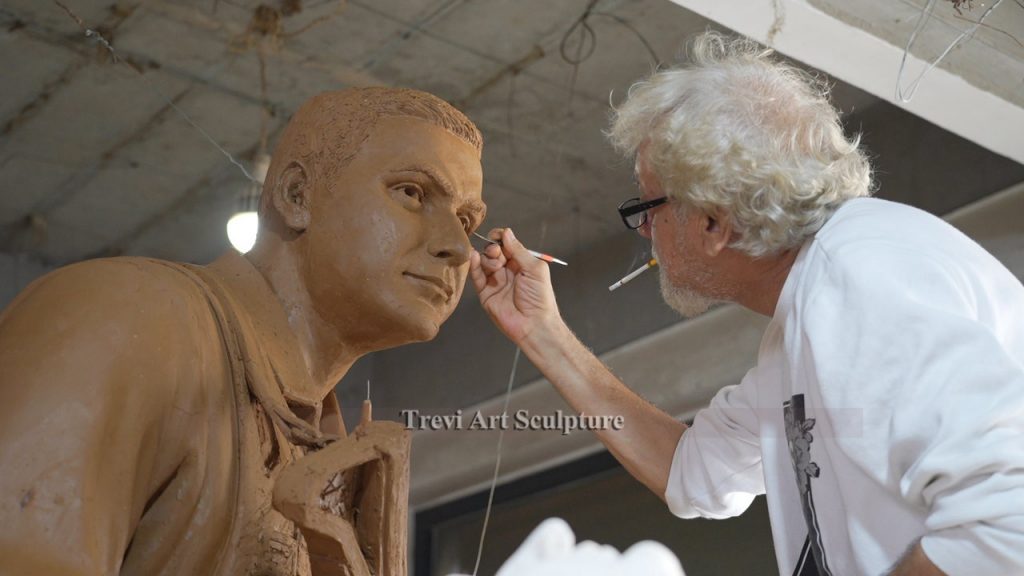
The artist builds up the form using pliable materials like clay or wax. This is an organic, “additive” process where the artist can constantly change their mind and reshape the work.
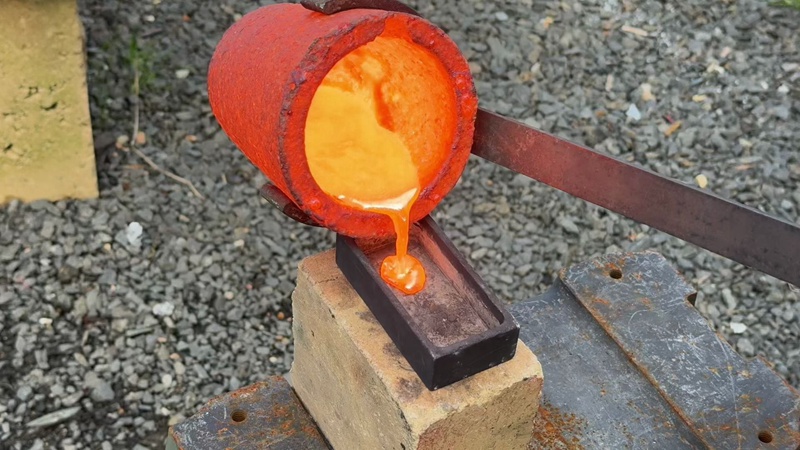
Casting (Substitution)
A model (usually clay) is used to create a mold, which is then filled with molten metal (usually bronze). This allows for incredible detail and the ability to create multiple “editions” of the same piece.
Assembly (Assemblage)
A modern technique where the artist joins different materials—found objects, scrap metal, or plastic—to create a new whole. Think of it as a 3D collage.

3. Classification by Style and Movement
The “look” of a sculpture often depends on the era or intent of the artist:
Representational/Figurative: The most traditional form, where the sculpture clearly represents a human, animal, or object.
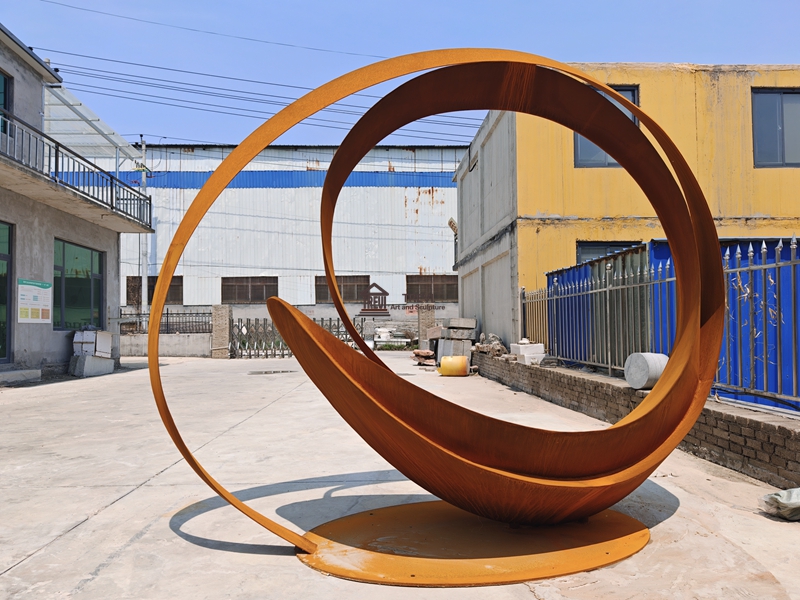
Abstract: The artist uses shapes, colors, and textures to convey an emotion or idea rather than a literal figure.
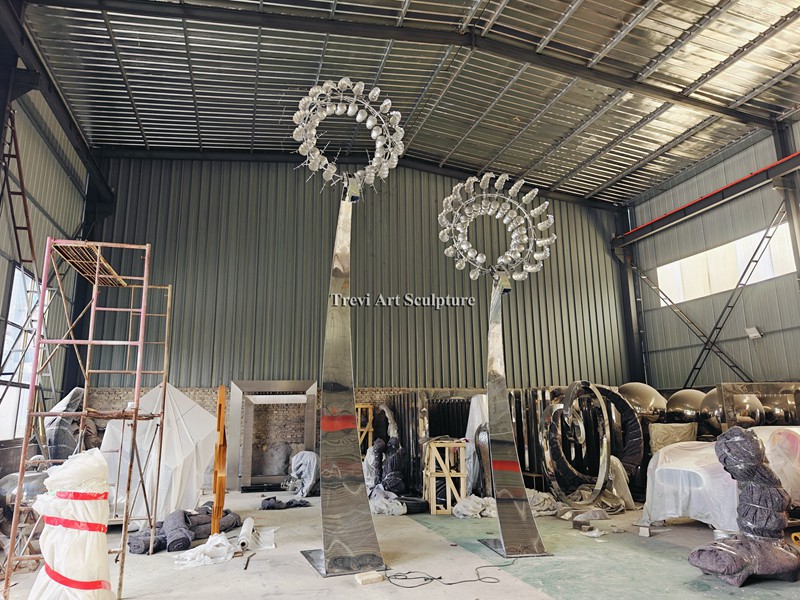
Kinetic: Sculpture that moves! Whether powered by wind (like Alexander Calder’s mobiles) or motors, these pieces introduce the element of time.
Installation/Land Art: Large-scale works designed for a specific environment, often using the earth itself as the medium (like the Spiral Jetty).


4. Materials: The Soul of the Sculpture
The choice of material dictates the “vibe” of the piece:
Marble: Classic, smooth, and translucent; the gold standard for elegance.
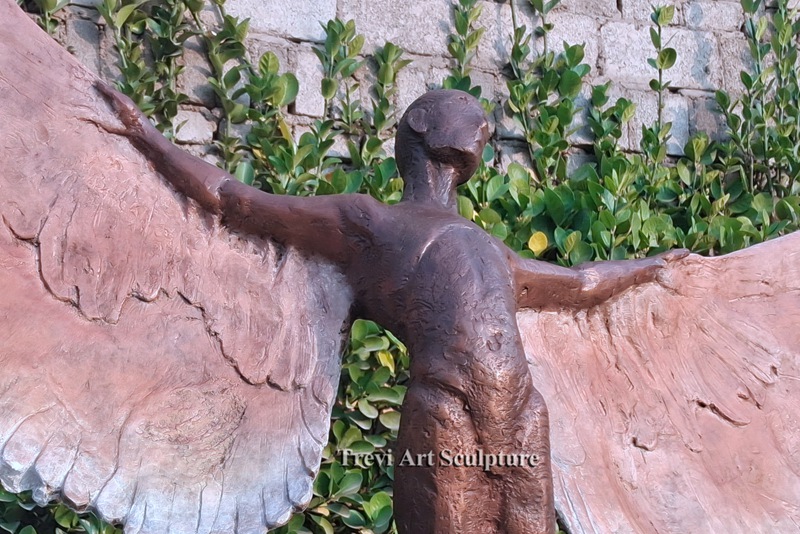
Bronze: Heavy, durable, and prestigious; perfect for capturing fine muscle detail.
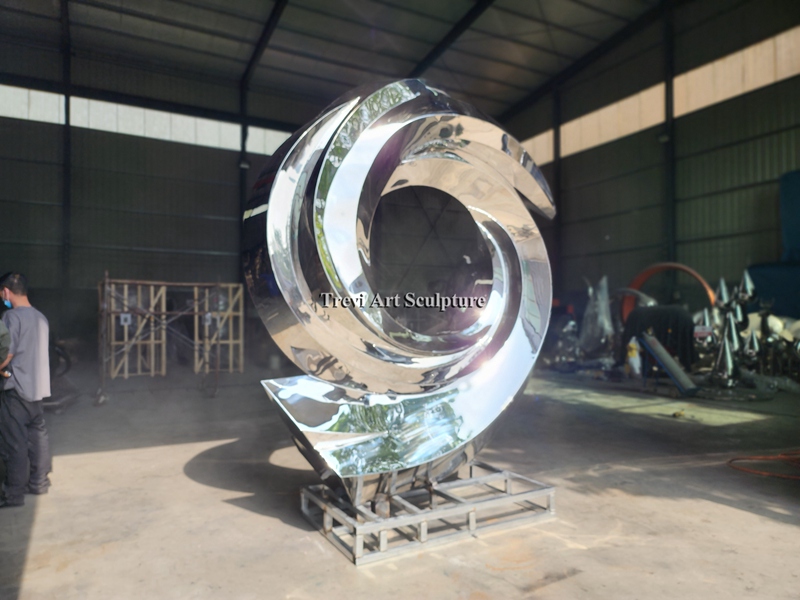
Stainless steel: durable, sleek, and resistant to corrosion, making them ideal for modern and outdoor designs.
Glass & Resin: Modern and ethereal; plays with light and transparency in ways stone cannot.
Why Bring a Sculpture into Your Home?
Paintings fill walls, but sculptures fill rooms. A well-placed sculpture acts as an anchor for your interior design, creating a focal point that demands attention and conversation. It adds a layer of “tactile luxury” that no other art form can replicate.
Start Your Collection Today
Are you looking for a piece that speaks to your soul? Whether you lean toward the timeless grace of a bronze figure or the bold energy of an abstract metal piece, our curated gallery has something for every space.


