
These renowned bronze statues may be artistic masterpieces you have never seen before; yet, they have long since—quietly and imperceptibly—left a subtle imprint upon your heart. Now that they once again stand before your eyes, do you find yourself curious about the stories behind these world-famous sculptures?
Today, many of the most famous bronze statues in the world have become global landmarks, representing history, power, and human creativity. In this guide, we explore 10 of the most famous bronze statues, their stories, and what they symbolize.
Why Are Bronze Statues So Famous?
Aesthetically, the bronze statue develops a protective patina over time, making it look beautiful after the patina appears on the bronze.
Due to bronze’s superior corrosion resistance, bronze sculptures can last longer than other materials, even in outdoor settings.
For artists, bronze is useful for capturing facial features, clothing veins, and even emotions through casting.
Of course, more and more artists choose bronze based on its historical significance; the history of bronze sculpture can be traced back to the Bronze Age.
What’s more, it has value for collection and appreciation. Some people choose bronze sculpture as an investment; excellent bronze artworks increase in value over time. Such are these famous bronze sculptures.

Top 10 Most Famous Bronze Statues in the World
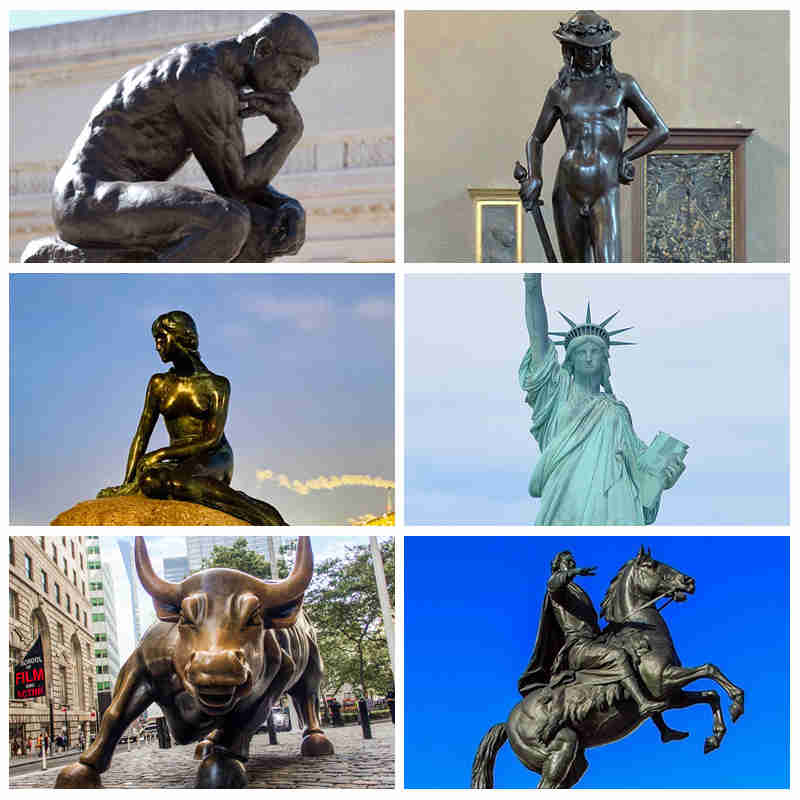
1. The Thinker – The Symbol of Philosophy
As one of the most famous bronze statues in the world, *The Thinker* primarily depicts a contemplative man immersed in a state of anguish. He is hunched over, resting his hand against his chin; his muscles are tensed inward as he gazes downward, harboring a spirit of conflict and deep distress.
Created by the French sculptor Auguste Rodin, who was inspired by Dante’s *Divine Comedy*, to express a spirit of freedom and a consciousness of rebellion.
Meaning: Philosophy, human struggle, and the pursuit of truth.
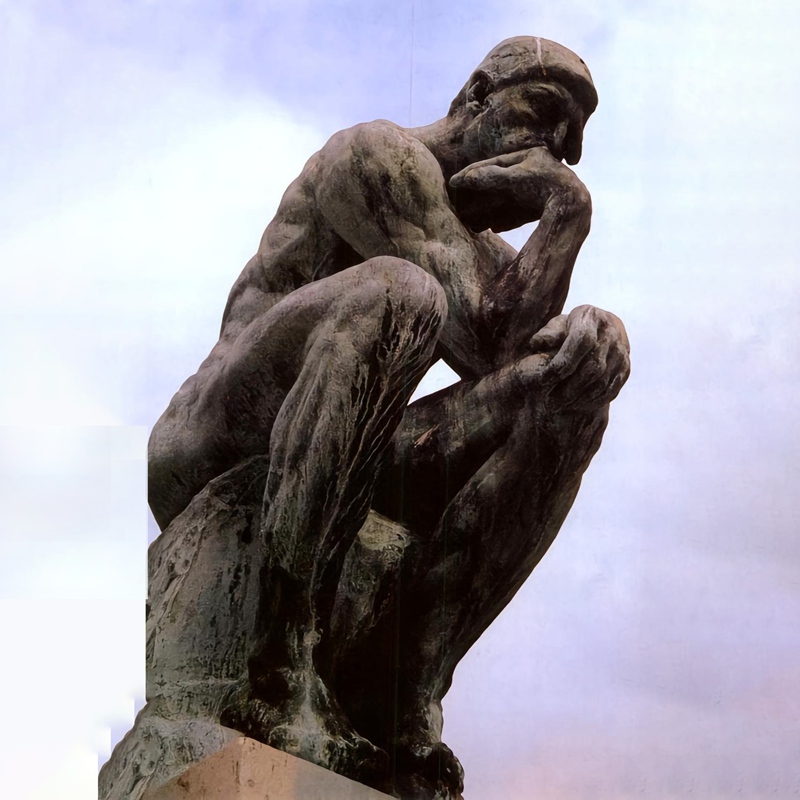
2. David – Renaissance Innovation
The bronze statue of David is famous as it is currently the earliest freestanding nude bronze sculpture in the world. With his left hand on his hip and his right hand gripping a sword, he stands with his left foot resting upon his defeated foe—symbolizing the end of an old era and the dawn of a new one.
This bronze sculpture is modeled after the biblical figure of David. It depicts the story of the young hero who, upon learning of the enemy Goliath’s arrogant provocations within the army, bravely stepped forward to face him and ultimately emerged victorious. Through the figure of a nude adolescent, Donatello masterfully captures both the beauty of human anatomy and a vibrant sense of vitality.
Meaning: Philosophy, human struggle, and the pursuit of truth.
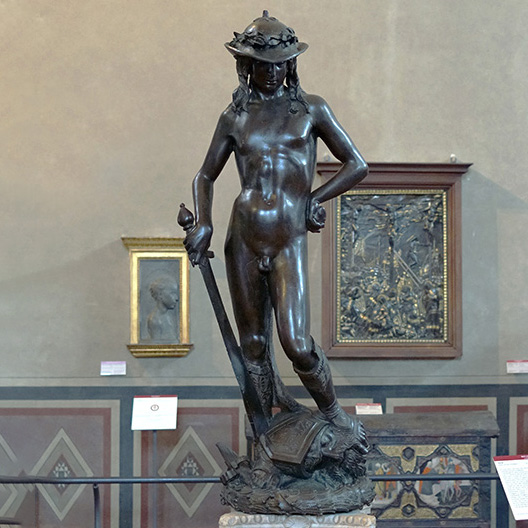
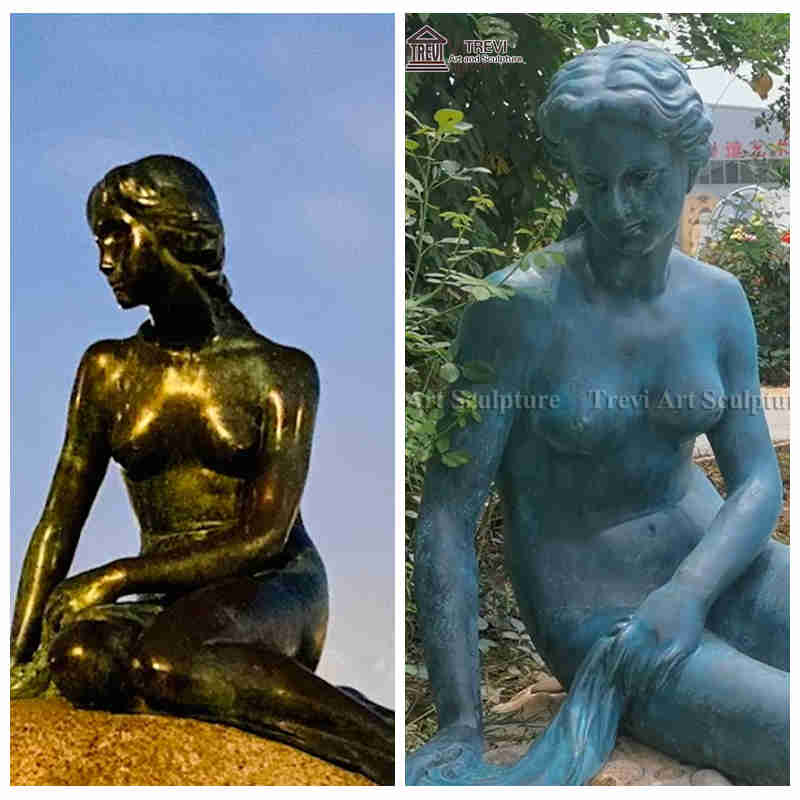
3. The Little Mermaid – Love & Sacrifice
An iconic bronze statue in Copenhagen, *The Little Mermaid*, is one of the most photographed bronze statues in Europe. The Little Mermaid* sits with her left hand resting on her leg and her right hand braced against the rock for support; her piscine tail appears on the verge of transforming fully into human legs as she gazes out toward the open sea.
The sculpture’s inspiration stems from the widely beloved fairy tale by Hans Christian Andersen. Moved by Andersen’s story, the businessman Carl Jacobsen commissioned Edvard Eriksen to create this bronze sculpture of *The Little Mermaid*. As she sits there, the bronze figure of *The Little Mermaid* continues to captivate and move all who behold her.
Meaning: Love, loyalty, and sacrifice.
4. Statue Of Liberty – Icon Of Freedom
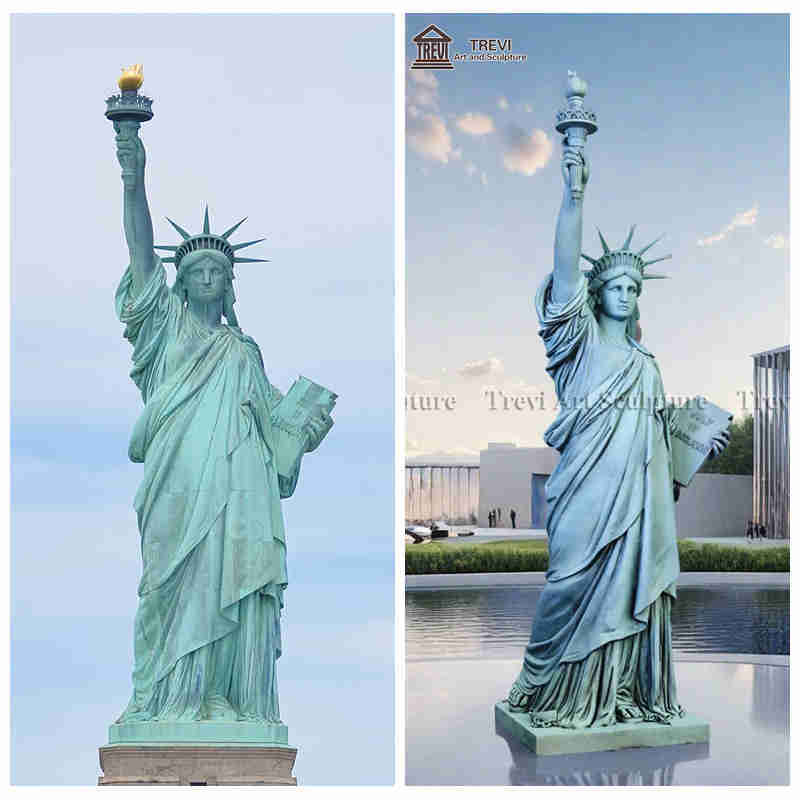
As one of the most famous bronze statues in the world, the Statue of Liberty holds profound significance for immigrants to the United States. Clad in a Roman-style robe, the Statue of Liberty raises a torch high in her right hand while cradling the Declaration of Independence in her left; with broken chains lying at her feet, she symbolizes a song of freedom.
Composed primarily of copper, the Statue of Liberty was jointly designed by French artists Frédéric Bartholdi, Gustave Eiffel, and Richard Morris Hunt. It was presented as a gift from France to the United States on the centennial of American independence, serving as a symbol of liberty, democracy, and hope. Over time, the copper material has oxidized, developing the statue’s iconic green patina.
Meaning: Freedom, independence, and new beginnings.
5. Charging Bull – Financial Power
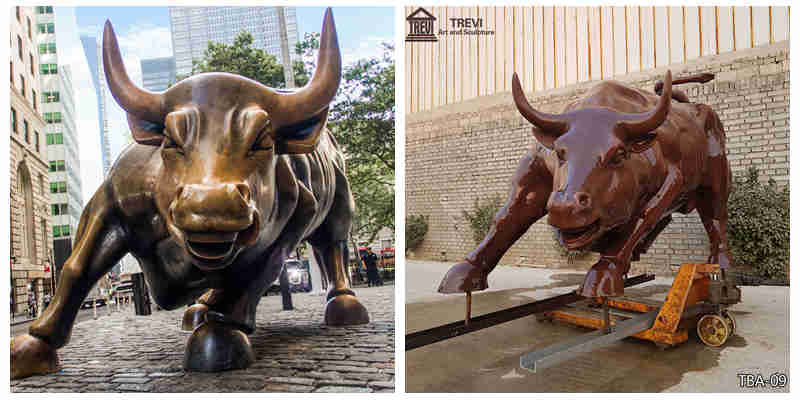
Another famous bronze statue in the world, *Charging Bull*, stands in the heart of the global financial world—Wall Street. Gleaming brightly and poised in a low-slung, charging stance, it has become a powerful symbol of strength and courage.
The sculpture’s origin lies in the ambition of Arturo Di Modica, who sought to make a dramatic statue. At his own expense and over the course of two years, he created this piece specifically as a gift to Wall Street—a work linked to the concept of a “bull market.”
Meaning: Bull markets, wealth, and economic confidence.
6. The Bronze Horseman – Imperial Power
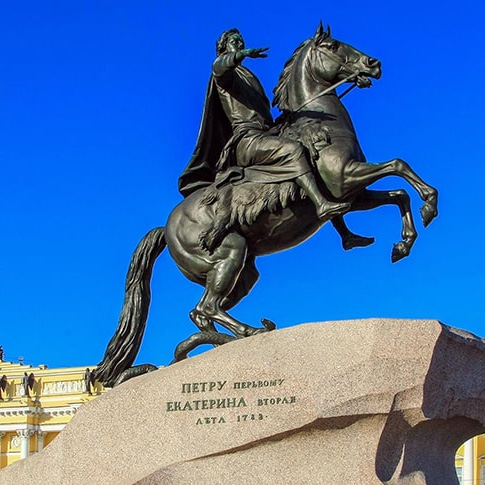
Located in Decembrists’ Square in St. Petersburg, Russia, stands one of the famous bronze sculptures known as *The Bronze Horseman*. It depicts Peter the Great in a majestic pose, seated upon his steed and gazing resolutely forward. With its two front legs raised high, the horse symbolizes a spirit of breaking through obstacles and pioneering progress.
This renowned bronze statue was commissioned by Catherine the Great to serve as a metaphor for Peter’s reforms—specifically, how he overcame resistance to establish St. Petersburg and guide the nation toward prosperity. *The Bronze Horseman* stands as a symbol of Russia’s power, leadership, and modernization.
Meaning: Leadership, strength, and progress.
7. The Statue of Atlas On Fifth Avenue
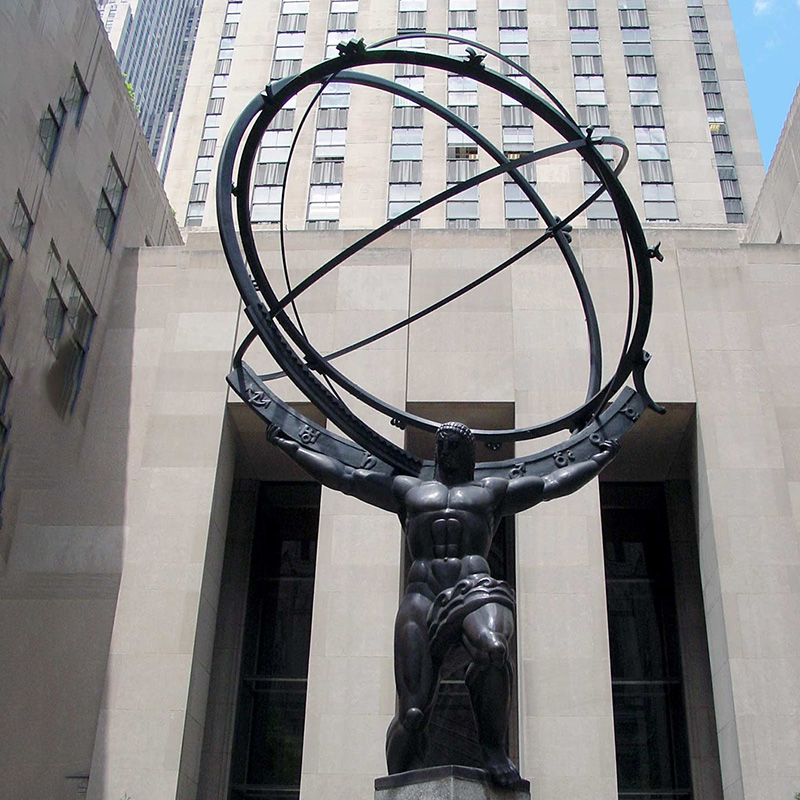
Located at Rockefeller Center in the United States, the Titan Atlas is famous for its posture; he stands atop a pedestal with arms outstretched, shouldering a celestial sphere while gazing into the distance.
This famous bronze statue draws inspiration from the colossal Titan Atlas of Greek mythology; it was created through the collaboration of sculptors Lee Lawrie and Rene Paul Chambellan to serve as one of the decorative elements supporting the building.
Meaning: Responsibility, perseverance, and strength.
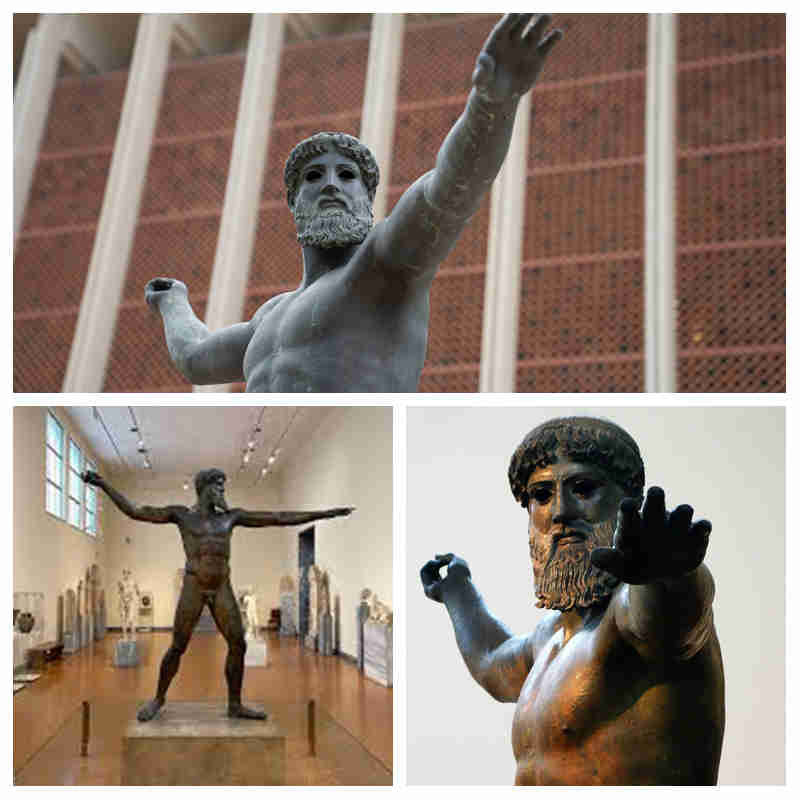
8. The Artemision Bronze (Poseidon)
Discovered in 1962 in the waters off Cape Artemision in Greece, this famous bronze statue is now housed in the National Archaeological Museum in Athens. With arms outstretched and standing nude, the figure gazes to the left, muscles tensed and poised to hurl a weapon.
As the sculptor remains unknown, this famous Artemisian Bronze statue is believed to depict either Poseidon, the God of the Sea, or Zeus.
Meaning: Power, authority, and divine energy.
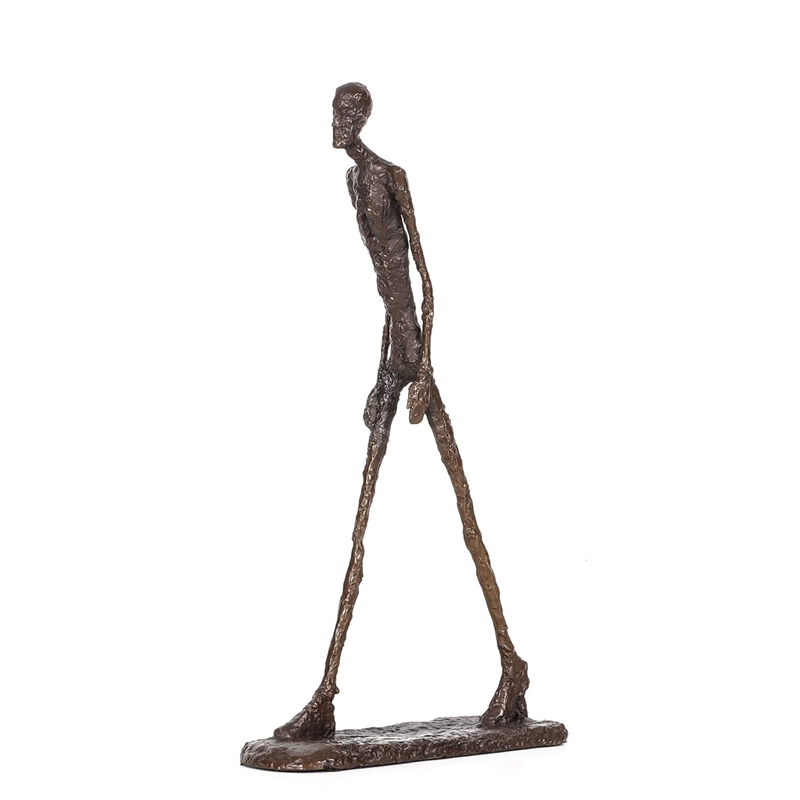
9. Walking Man
Created by Alberto Giacometti, this sculpture depicts a gaunt figure striding forward—a slender, attenuated human form.
Regarded as one of the most iconic works of modern art in the world, this sculpture vividly captures and portrays the human physique.
Meaning: Solitude, migration, and the human condition in modern society.
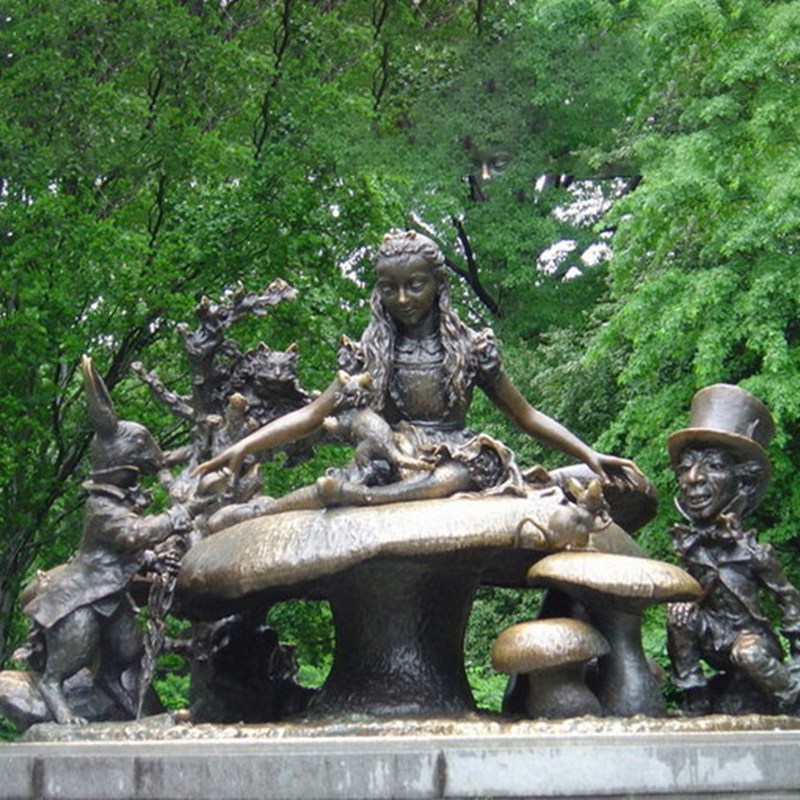
10. Alice In Wonderland Statue
A renowned work of public bronze art, this sculpture depicts the story of *Alice in Wonderland*. It is situated in New York’s Central Park.
At the center, Alice sits upon a mushroom, surrounded by characters such as the White Rabbit, the Mad Hatter, and the Dormouse. Its lifelike appearance has made it a popular landmark where tourists and children alike gather to climb, take photographs, and let their imaginations roam free.
Meaning: Creativity, imagination, and childlike innocence.
What Do Bronze Statues Symbolize?
Bronze statues symbolize power, leadership, cultural identity, and artistic expression. For different individuals, the significance of bronze sculptures is unique. They may serve to showcase power, express emotion, or act as a commemorative symbol.
For the Artist: Emotional Expression
For the creator, bronze sculptures serve as a medium for emotional expression, like *The Little Mermaid* or *Alice*, conveying emotional narratives through the artistry of bronze.
For Rulers: Power and Leadership
The power inherent in renowned bronze sculptures can exert influence over the public. Rulers utilize these sculptures to disseminate their ideologies; moreover, as a metal resource, bronze itself frequently serves as a potent symbol of power and status.
For the City: Cultural Landmarks
Particularly for famous statues situated in public spaces, such as the Statue of Liberty or *The Bronze Horseman*, these works embody a city’s history and culture while simultaneously conveying widely accepted values and ideals.
For the Nation: Enduring Symbols
Those of great renown, bronze sculptures, such as the bronze *David* or the Statue of Liberty, convey and reflect the prevailing ideals of a specific historical era. They often evoke memories of a particular period, thereby holding profound commemorative significance.
Why Is Bronze Used for Sculptures?
Long Lifespan
Bronze statues boast an exceptional longevity, capable of enduring for thousands of years.
Suitable for Outdoors
They are highly resistant to the elements—withstanding wind and rain—so there is no need to worry about the effects of weather conditions.
Beautiful Patina
As time passes, a unique texture—known as a patina—naturally forms on the surface. Of course, the final aesthetic of the bronze sculpture is influenced by the factory of the thickness of the metal, its alloy composition, and the specific craftsmanship employed.
Durable yet Malleable
Bronze is ideally suited for precision casting; whether for a small, intricate bronze statue or large-scale public monuments, it remains an excellent choice for sculptural works.

Custom Bronze Statues for Your Space
If you love bronze statues for your outdoor placement, such as gardens, monuments, or public art installations, here are some custom selections from Trevi.
Garden Decoration:
Placing a bronze sculpture in your backyard, whether it’s a bronze animal sculpture or a fountain, serves both a decorative and aesthetic purpose.
Monument:
Commemorative bronze sculptures always carry profound values and sentiments. If you wish to leave something for someone, bronze sculptures are beautiful. We accept costume designs depending on your preference.
Public Art Installation:
For parks, stations, and squares, bronze sculptures can attract the attention of passersby and also convey cultural philosophy.
The Trevi can offer:
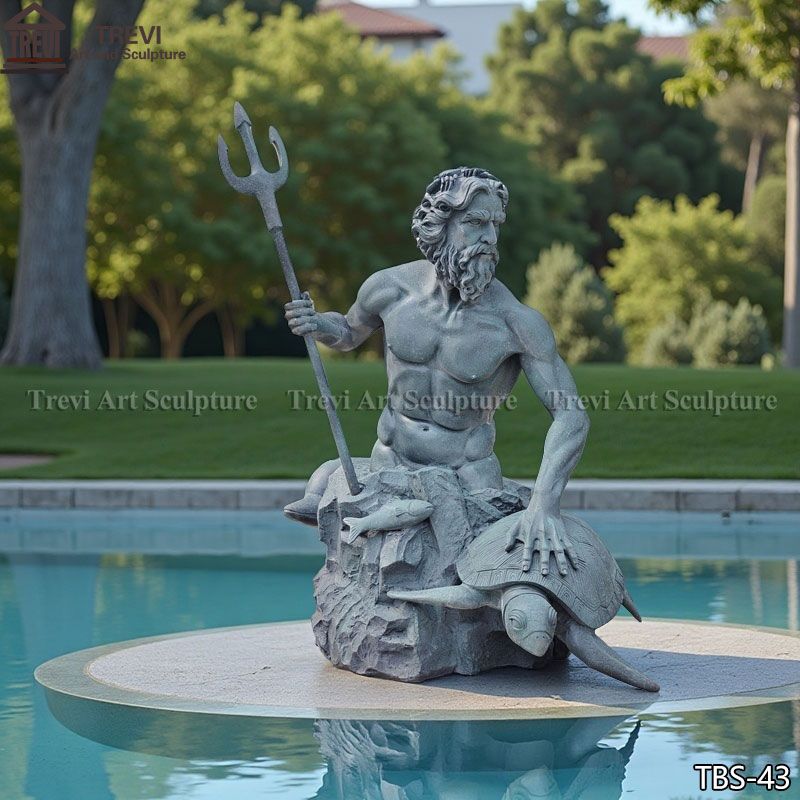
Depending on your preference to customize your desired bronze statue, we also offer many more clay models in stock to let you select. The quality of bronze sculpture from Trevi ensures a realistic appearance, exquisite color schemes, and a smooth touch.
Conclusion
From The Thinker to the Statue of Liberty, the most famous bronze statues in the world continue to inspire people across cultures.
Whether used for public monuments or private collections, bronze statues remain one of the most powerful forms of artistic expression.


