
In today’s market, many sculptures are labeled as “bronze” — but not all of them are genuine. From spelter statues with bronze coatings to fiberglass imitations, it’s easy for buyers to be misled.
Choosing the wrong material doesn’t just affect appearance — it impacts durability, value, and long-term performance, especially for outdoor projects.
In this guide, we’ll show you how to identify a real bronze sculpture using simple but professional methods — whether you’re a collector, designer, or project buyer.
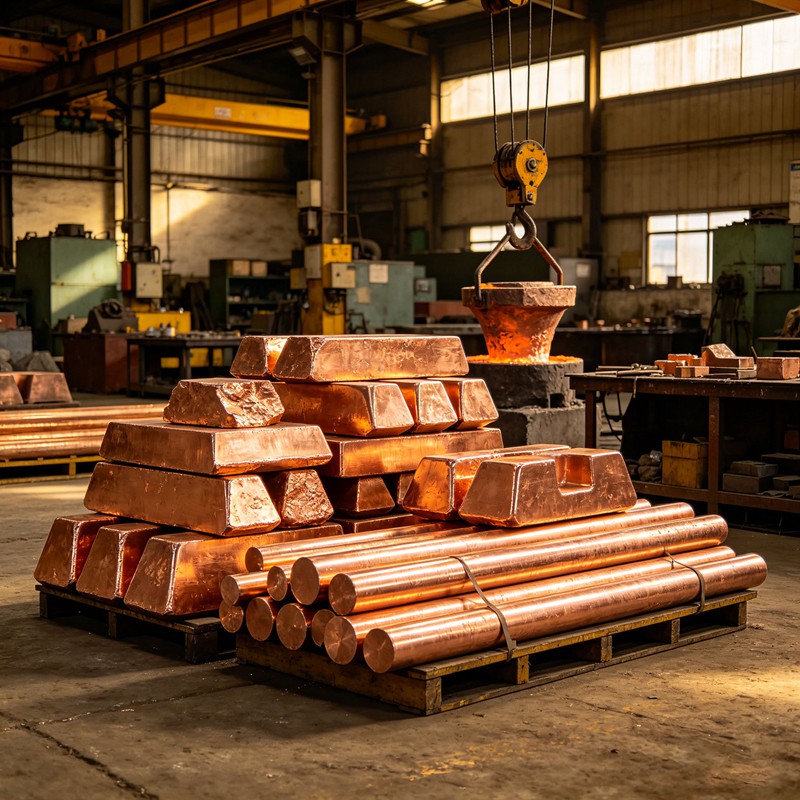
What Is a Bronze Sculpture?
A bronze sculpture is made from an alloy of copper and tin, known for its strength, corrosion resistance, and timeless beauty.
High-quality bronze statues are typically created using the lost wax casting method, a traditional process that allows for:
- Exceptional detail reproduction
- Strong structural integrity
- Long-lasting outdoor performance
This is why bronze has been used for centuries in monuments, memorials, and fine art sculptures.
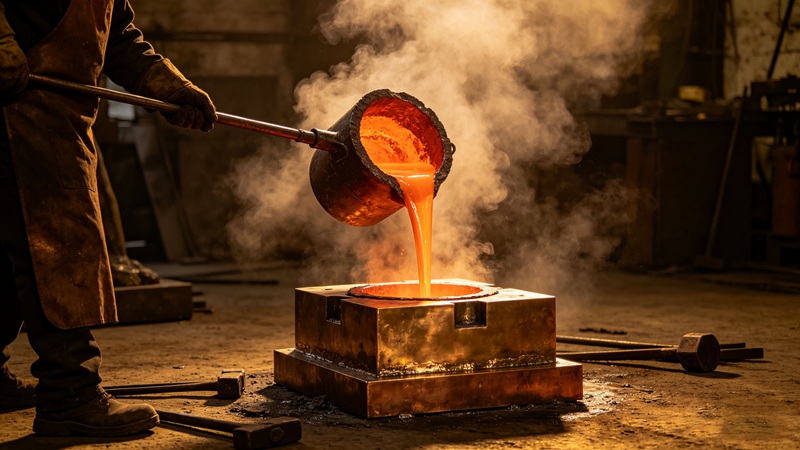
How to Identify a Bronze Sculpture
1. Visual Inspection: Examine Surface and Patina
One of the easiest ways to identify bronze is by its surface.
Real bronze sculptures typically feature:
- Natural patina(aging layer) in tones of brown, green, or dark bronze
- Rich color variations and depth
- Clear, sharp details from hand-finishing
Fake bronze statues often look:
- Overly smooth or glossy
- Uniform in color (spray-coated appearance)
- Lacking fine details
2. Check the Weight: Bronze Is Heavy
Bronze is a dense metal. Even small sculptures feel noticeably heavy.
Quick tip:
- Compare with a resin or fiberglass statue of a similar size
- If it feels light → it’s likely not real bronze
Weight is often one of the fastest ways to filter out fake products.
3. Magnet Test: Bronze Is Non-Magnetic
Another simple test:
- Use a magnet and place it on the sculpture
- Real bronze will NOT attract the magnet
If the magnet sticks, the sculpture likely contains iron or steel — not pure bronze.
Note: If it does not attract a magnet, you cannot be 100% certain that it is genuine bronze, as the base material could be aluminum or plastic.
4. Sound Test: Listen Carefully
Gently tap the sculpture with your finger or a small object.
- Real bronze→ produces a clear, ringing metallic sound
- Resin or fiberglass→ dull, hollow sound
This method is especially useful for medium-sized sculptures.
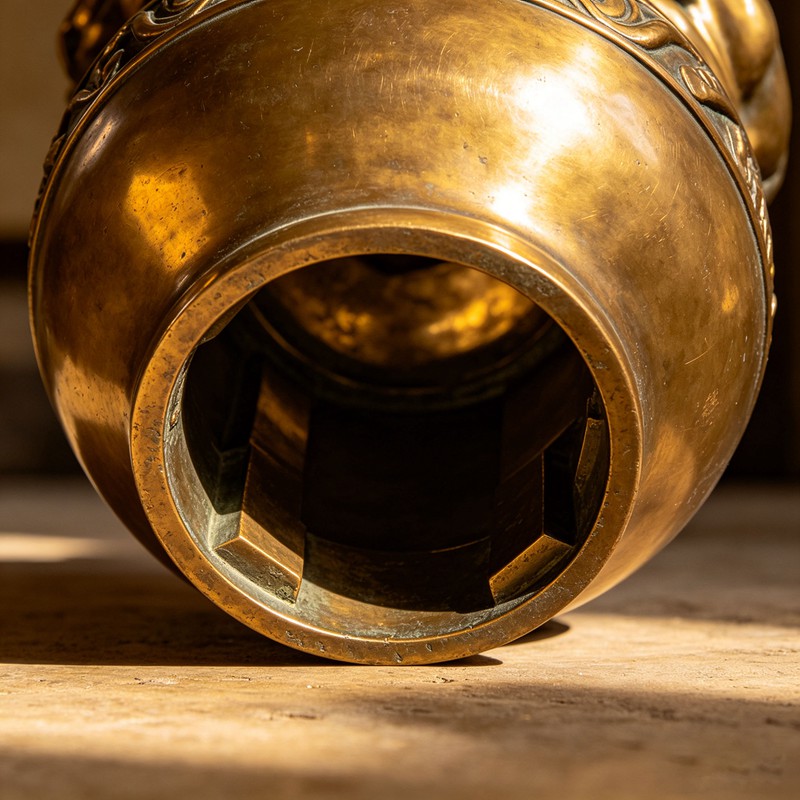
5. Inspect the Bottom or Interior
Authentic bronze sculptures are usually hollow, due to the casting process.
Look for:
- Weld marks or joints
- Casting openings
- Rough or natural metal texture
In contrast, fake sculptures often have:
- Perfectly smooth bottoms
- Uniform, machine-made finishes
6. Look for Casting and Weld Details
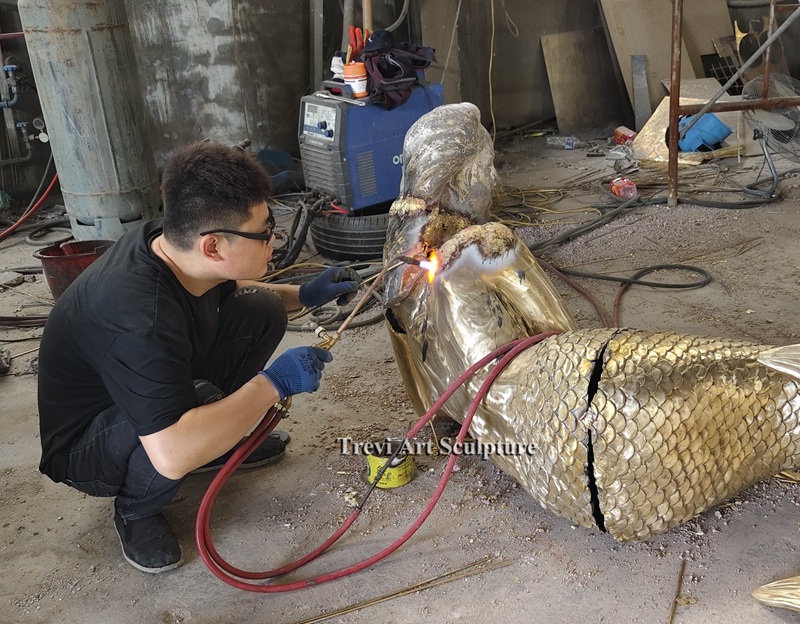
Real bronze sculptures are handcrafted and assembled.
You may notice:
- Subtle welding lines
- Slight variations from hand-finishing
- Evidence of multiple cast sections joined together
Mass-produced replicas tend to look “too perfect” — a sign they may not be genuine bronze.
Professional Tip: When assessing the quality of a bronze sculpture, pay close attention to the smoothness of the welds and the thickness of the bronze; the greater the thickness, the higher the quality of the sculpture.
7. Professional Verification Methods
Hydrochloric Acid or White Vinegar Test
Principle: The zinc in bronze reacts with acid.
Method (Be sure to wear gloves and work in a well-ventilated area): Dip a cotton swab in a small amount of dilute hydrochloric acid (such as toilet cleaner) or white vinegar, apply it to an inconspicuous area of the item, wait a few minutes, and then observe.
Real bronze: The treated area will turn black or darken (as the zinc is corroded), but the underlying color will remain yellow after wiping.
Fake bronze: The plating may corrode through, revealing the underlying color. Alternatively, the reaction may differ completely from that of genuine bronze.
Warning: This method may cause permanent damage to the item. It should only be used as a final confirmation, and safety precautions must be strictly observed!
What Is Spelter and How Is It Different from Bronze?
One of the most common materials mistaken for bronze is Spelter.
Spelter is a zinc-based alloy that has been widely used to imitate bronze sculptures, especially in decorative art. While it may look similar at first glance, the differences are significant.
Bronze vs. Spelter: What’s the Difference?
| Feature | Bronze | Spelter (Zinc Alloy) |
| Composition | Copper + Tin | Mainly Zinc |
| Weight | Heavy and dense | Lighter |
| Durability | Extremely durable (50–100+ years) | More brittle, prone to damage |
| Surface Finish | Rich patina, natural aging | Painted or artificial coating |
| Detail Quality | Sharp, hand-finished | Softer, less refined |
| Value | High (artistic & commercial) | Lower |
| Outdoor Use | Excellent | Not recommended long-term |
For public spaces, memorials, and high-end projects, bronze remains the top choice. Not sure whether a sculpture is real bronze — or planning a custom project?
We’re here to help. Contact us today for a free consultation.
FAQ
How can you tell if a statue is solid bronze?
Check weight, magnet response, and interior structure. Most real bronze statues are hollow but heavy.
Do bronze sculptures rust?
No. Bronze does not rust — it develops a natural patina instead.
How long do bronze sculptures last outdoors?
True hot-cast bronze can last for centuries. Without maintenance, they will develop a natural, protective green or brown patina, but neglected pieces can develop destructive “bronze disease” (corrosion)
Is bronze better than resin for outdoor use?
Yes. Bronze is far more durable, weather-resistant, and valuable.
Can Spelter sculptures be used outdoors?
Not recommended — they are less durable and more prone to damage.
What is the easiest way to identify bronze quickly?
Check weight, magnet response, and surface patina.


