
Whether it’s urban landmarks, residential landscaping, store interior design, or garden art, when commissioning custom sculptures, people are never just concerned about whether the design is attractive or the price is reasonable. The core concern is always the same: How long will this sculpture actually last? Will it crack, fade, or become damaged and unusable within just two or three years, turning out to be a waste of money?
Today, we’ll provide an in-depth review of the eight most commonly used sculpture materials on the market. We’ll clearly outline their actual indoor and outdoor lifespans, key weaknesses, and daily maintenance tips. Whether you’re sourcing materials for a project, creating a private garden collection, or selecting materials for artistic creation, after reading this article, you’ll never again blindly follow trends and choose the wrong material.
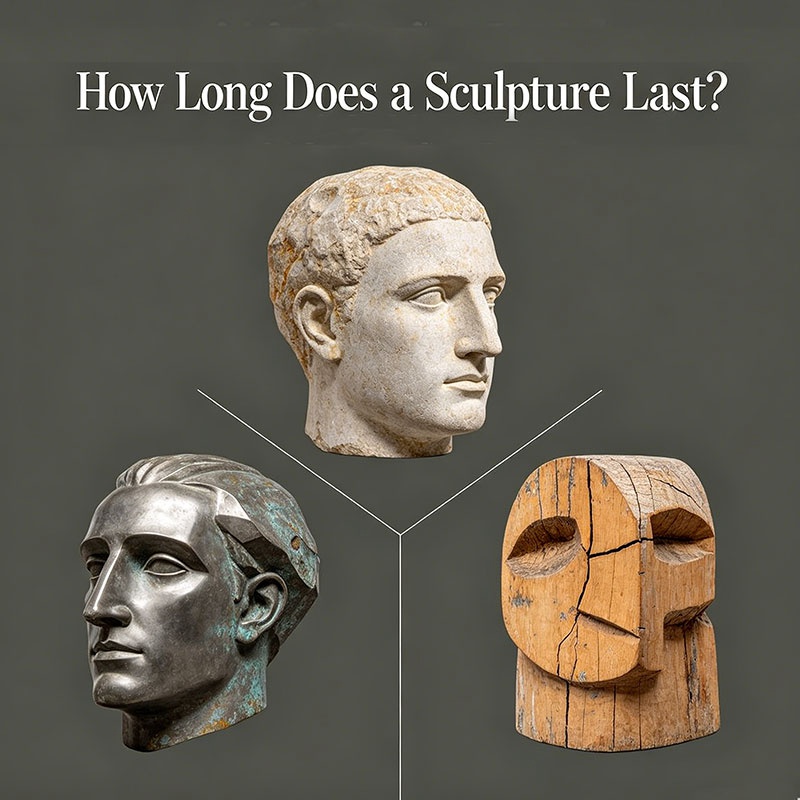
Sculpture Lifespan by Material (Quick Overview)
| Material | Estimated Lifespan | Key Characteristics |
| Marble | 100–1000+ years | Elegant, natural stone; susceptible to acid rain and weathering |
| Bronze | 500–2000+ years | Extremely durable; develops protective patina over time |
| Stainless Steel | 50–200+ years | Modern look; corrosion-resistant, especially outdoors |
| Granite | 1000+ years | Very hard and weather-resistant; ideal for monuments |
| Wood | 10–100 years | Organic and warm; vulnerable to insects, rot, and moisture |
| Resin/Fiberglass | 10–50 years | Lightweight and affordable; may fade or crack over time |
Professional Tips:
For lasting durability, iconic landmarks, and century-long longevity: Choose marble statues or cast bronze sculptures;
For modern minimalism, outdoor durability, and a moderate budget: Choose 304/316 stainless steel sculptures;
For high value for money, diverse designs, and short- to medium-term landscaping: Choose thickened, weather-resistant fiberglass sculptures;
For a natural ambiance and indoor or courtyard soft furnishings: Choose pressure-treated wood sculptures;
For small indoor ornaments, short-term decoration, and low-cost transitional pieces: Choose plaster or resin sculptures;
For essential outdoor landscaping that is low-cost, rugged, and durable: Choose concrete sculptures.
Three Key Factors Affecting the Lifespan of Sculptures
Before examining the specific lifespan of each material, it’s essential to understand the three core factors that determine how long a sculpture will last. The lifespan of all materials fluctuates based on these three points; once you grasp them, you won’t be misled by sales pitches.
Placement Environment
Indoor environments with constant temperature and humidity, free from direct sunlight, rain, snow, and acid or alkali corrosion, can significantly extend the lifespan of any sculpture; Outdoor environments—exposed to direct sunlight, extreme seasonal temperature fluctuations, acid rain erosion, wind and snow, and mold growth from nearby vegetation—will cause even the finest materials to age at an exponentially faster rate.
Craftsmanship
For the same material, a sculpture crafted with thicker, high-quality materials and a professional anti-corrosion and weather-resistant finish will last more than twice as long as one made with thin, substandard materials and no protective coating. Without proper craftsmanship, even the best materials will not last.
Regular Maintenance
No sculpture material is truly “permanently maintenance-free.” Even durable materials like stone and metal will corrode and deteriorate if left uncleaned and unprotected for long periods; conversely, delicate materials like wood and plaster can far exceed their expected lifespan with simple, regular maintenance.
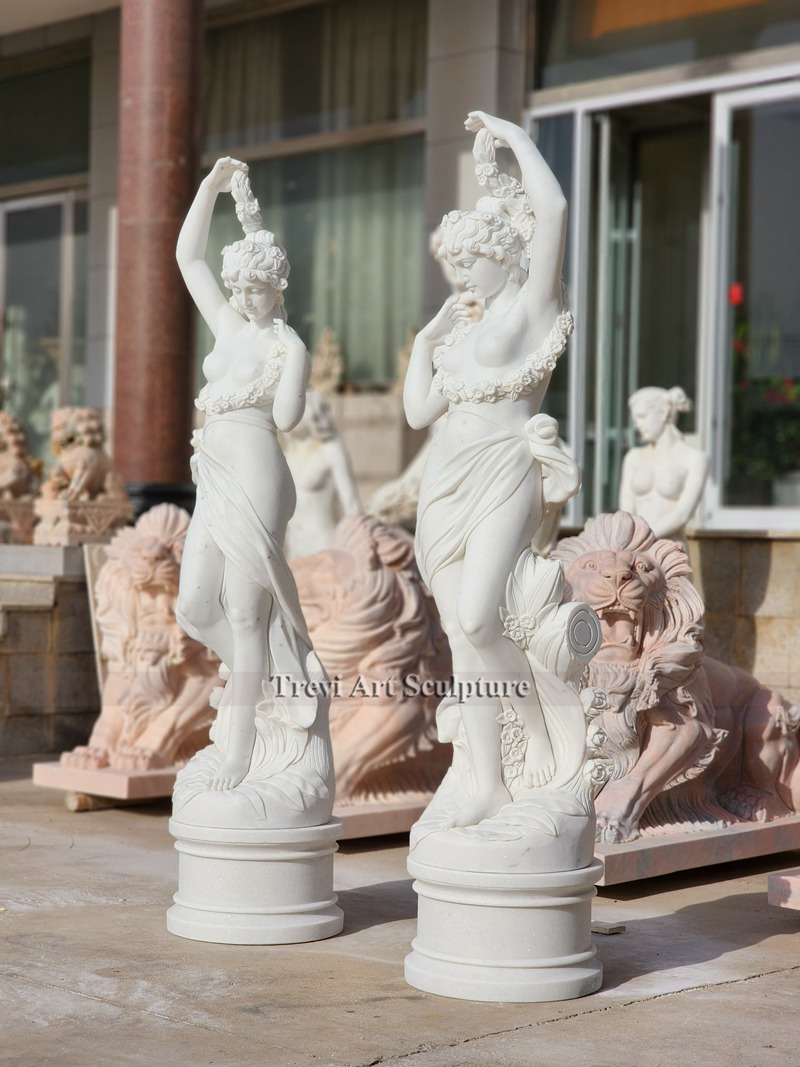
1. Stone Sculptures (Granite/Marble/Bluestone)
Lifespan: At least 100 years outdoors; high-quality granite can last for hundreds or even thousands of years; virtually permanent indoors.
Key Features: The longest-lasting option in the sculpture world, featuring high hardness and resistance to sun exposure, freezing, and corrosion; it develops a more distinctive patina over time. Its only vulnerabilities are cracking from heavy impacts and, outdoors, the tendency to develop moss and efflorescence (white discoloration).
Minimal Maintenance: Rinse with clean water annually, apply an anti-efflorescence treatment every 2–3 years, and avoid impacts.
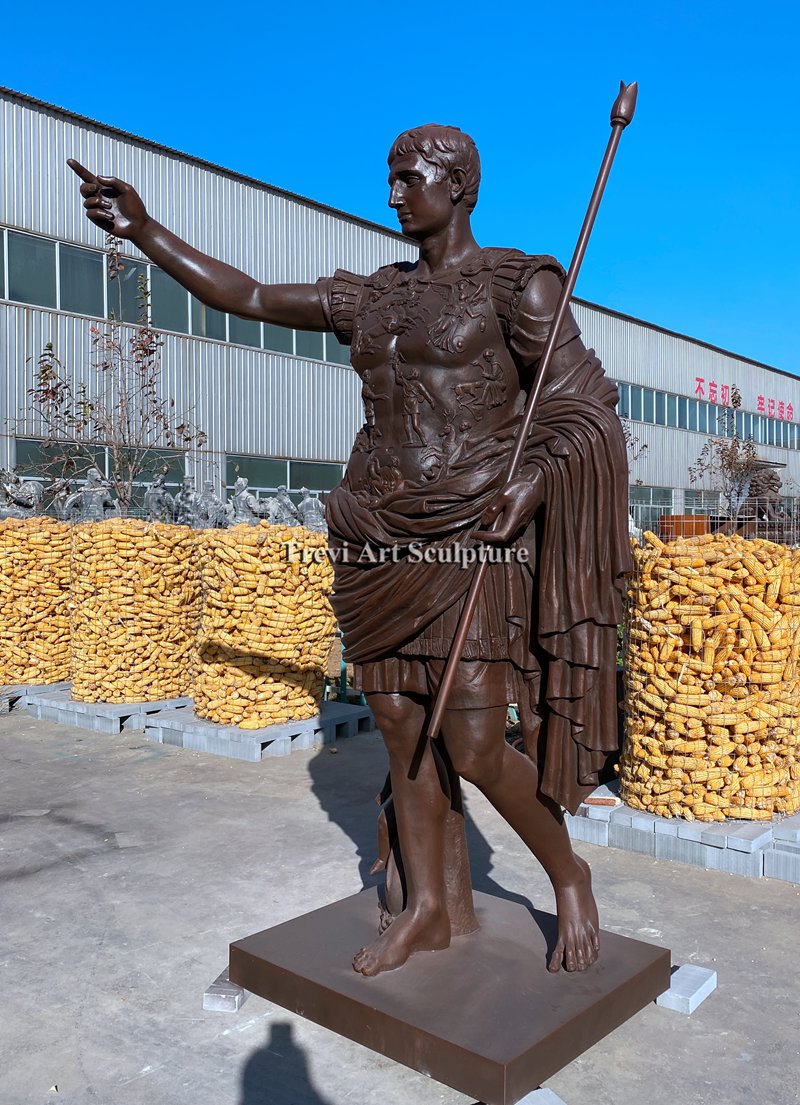
2. Bronze Sculptures
Lifespan: Over 1000 years outdoors with proper anti-corrosion treatment; can be passed down through generations indoors.
Key Features: The top choice for high-end landmarks and celebrity sculptures; features a substantial texture that retains its value and offers excellent weather resistance. The only drawback is the high cost; once the protective coating ages, patina may form.
Minimal Maintenance: Regular cleaning, reapplication of anti-oxidation sealant, and avoiding acidic or alkaline cleaning agents.
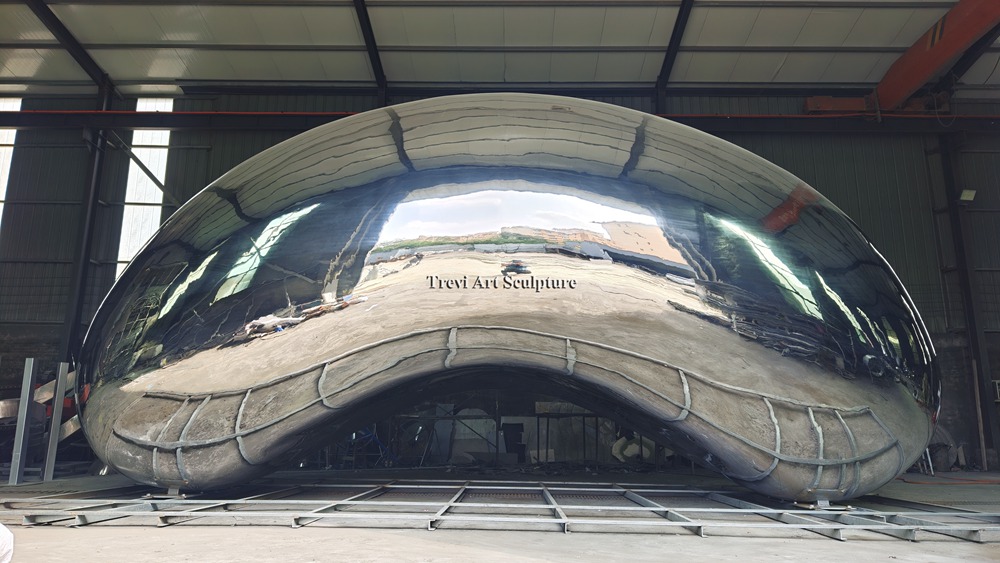
3. Stainless Steel Sculptures (201/304/316)
Lifespan: 201: 5–10 years outdoors; 304: 30–50 years outdoors; 316: over 50 years outdoors; indoor use is permanent.
Key Features: The mainstream choice for modern minimalist and abstract sculptures; highly aesthetic and versatile; lifespan depends on the grade; weld points are prone to rust, and mirror finishes are susceptible to fingerprints and scratches.
Minimal Maintenance: Wipe fingerprints with a soft cloth; inspect weld points regularly; in coastal areas, choose 316 directly.
4. Fiberglass Sculptures
Lifespan: Typically 3–5 years outdoors; 10–20 years for thickened, weather-resistant versions; 20–30 years indoors.
Key Features: Unbeatable value for money; unlimited design possibilities; lightweight; attractive color finishes. Vulnerable to intense sunlight and extreme cold; prone to fading, chalking, and cracking outdoors; considered a short-term transitional decorative material.
Minimal Maintenance: For outdoor use, a thickened, weather-resistant topcoat is essential; repaint every 3–5 years and avoid prolonged water exposure.
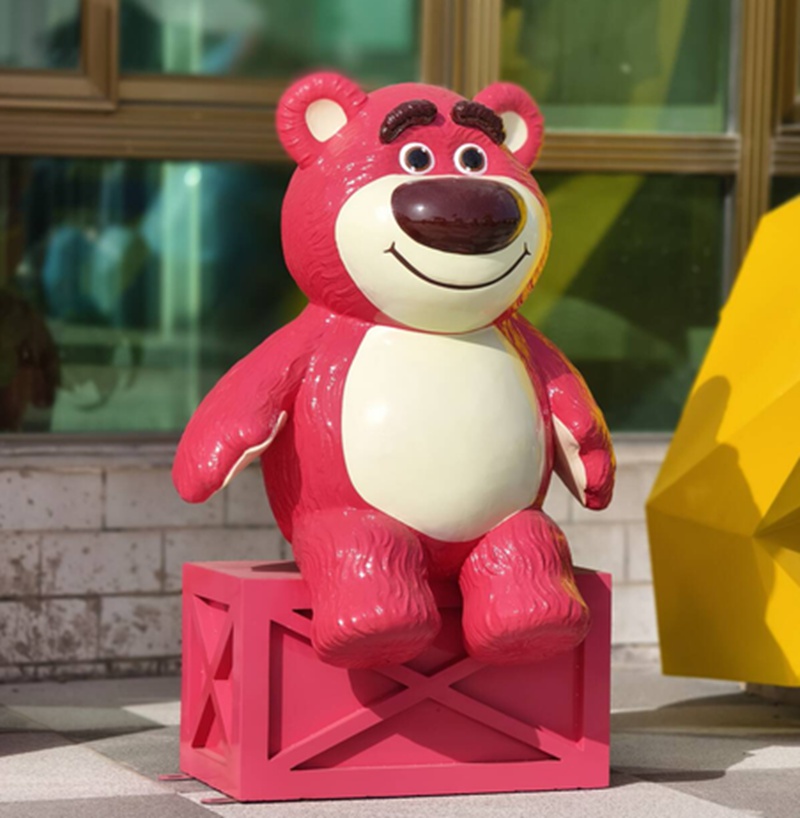
5. Wooden Sculptures
Lifespan: 10–15 years for pressure-treated hardwood outdoors; 3–5 years for standard wood; over 20 years indoors with careful maintenance.
Key Features: Warm, natural texture; suitable for gardens, bed-and-breakfasts, and indoor soft furnishings; susceptible to moisture, pests, and intense sunlight; requires more maintenance than stone or metal.
Basic Maintenance: Apply wood wax oil annually; ensure protection from rain and sunlight outdoors; perform regular pest control, crack prevention, and repairs.
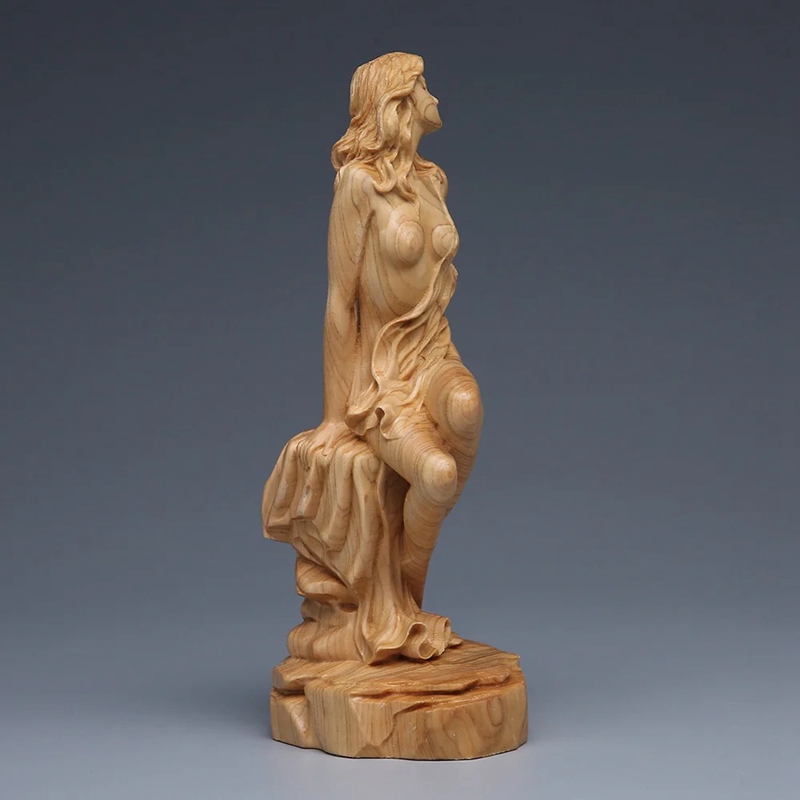
6. Plaster Sculptures
Lifespan: 5–10 years in dry indoor environments; strictly prohibited for outdoor use—will be ruined within six months.
Key Points: Low cost and fine detail, suitable only for art studio teaching aids or short-term indoor display; highly susceptible to water and moisture, shatters easily upon impact, and offers zero resistance to sunlight or physical impact.
Minimal Maintenance: Store only in a dry indoor location; dust with a dry cloth; strictly avoid contact with water or physical impact.
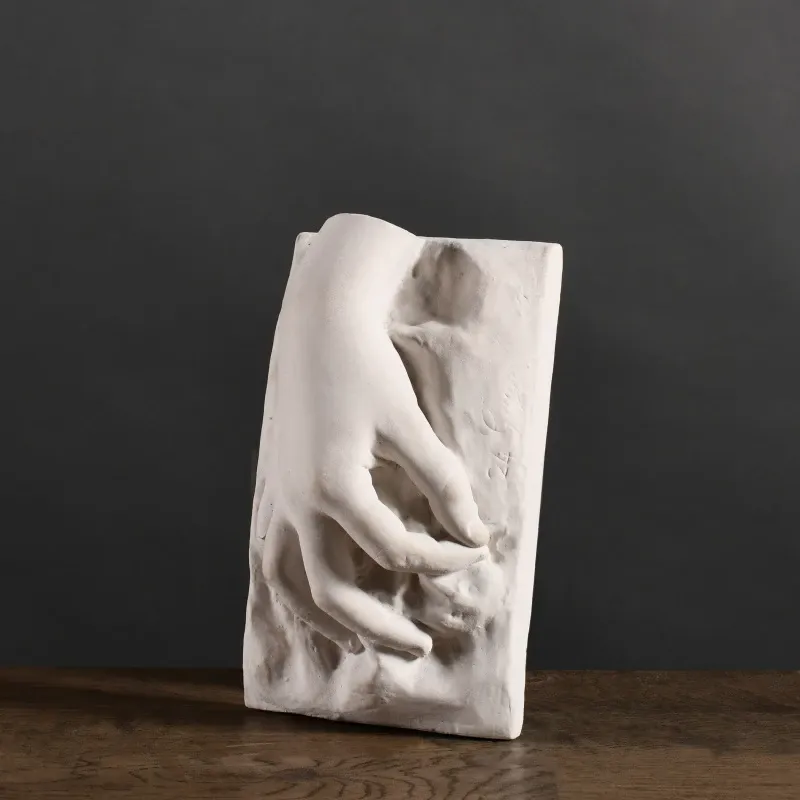
7. Resin Sculptures
Lifespan: 8–15 years indoors; standard outdoor models typically last 2–3 years before deteriorating and becoming unusable.
Key Features: Ideal for small decorative pieces, figurines, and indoor decor; features intricate details at an affordable price. Vulnerable to high temperatures and direct sunlight; outdoors, they are highly prone to yellowing, becoming brittle, and cracking.
Minimal Maintenance: Display indoors away from direct sunlight and heat sources; simply dust with a dry cloth.
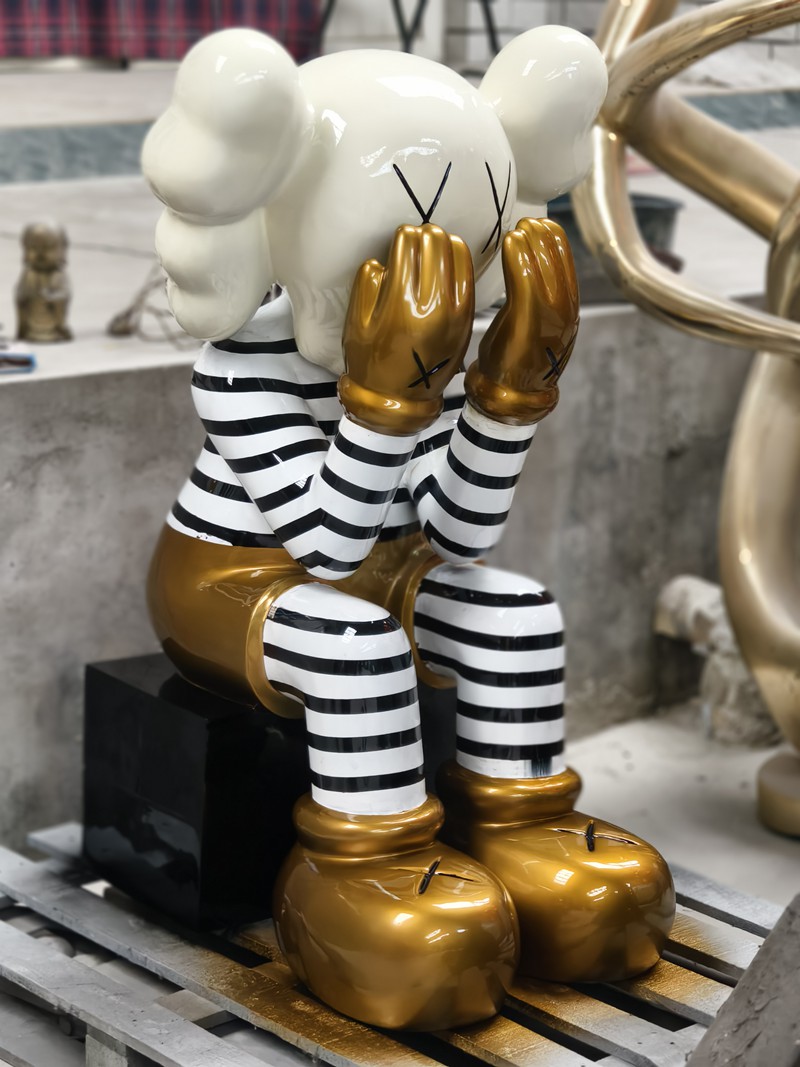
8. Cement Sculptures
Lifespan: Typically 30–50 years outdoors; lasts longer with proper maintenance.
Key Features: Designed specifically for garden rockeries and landscape features; durable, sturdy, and cost-effective; withstands wind and rain; however, the texture is rough, and the surface is prone to sanding, efflorescence, and cracking.
Minimal Maintenance: Ensure proper waterproofing and prevent seepage; reapply a protective topcoat every few years to seal any cracks.
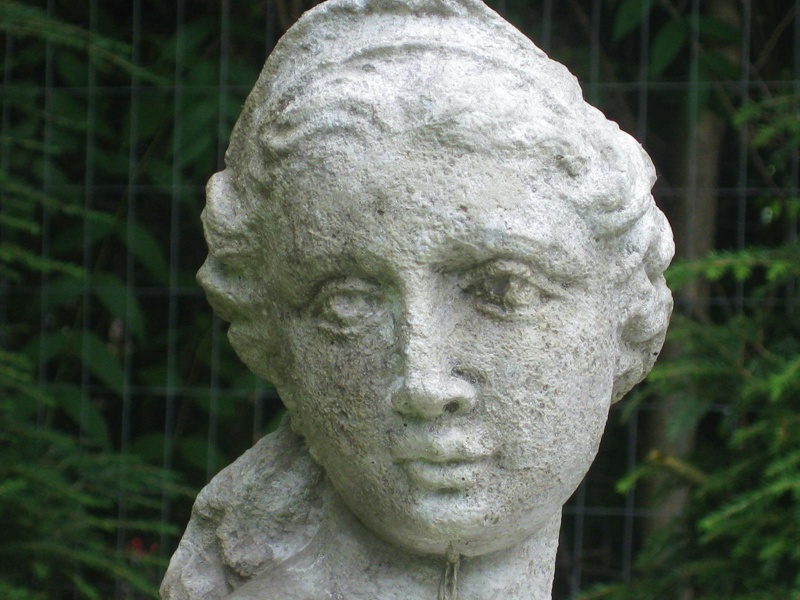
How to Extend the Life of Your Sculpture
- Choose the right material for your environment (e.g., stainless steel for coastal areas)
- Apply protective coatings, such as wax for bronze or sealants for stone
- Regular cleaning to prevent the buildup of pollutants or biological growth
- Professional restoration, when needed, to repair minor damage early
In closing, I’d like to say this:
There is no single “best” material for sculptures; rather, there is only the material that best suits your specific application and budget. Don’t blindly chase after the most expensive options like bronze or stone, and don’t settle for cheap, low-quality fiberglass or ordinary resin just to save money. By considering the installation environment, how many years you plan to use the sculpture, and your budget, you can choose the right material. With proper basic maintenance, your sculpture will achieve its expected lifespan—looking great and lasting a long time—without any pitfalls or wasted money.
If you’re considering investing in a sculpture, choosing the right material and craftsmanship is essential. Our factory offers a wide range of marble, bronze, and stainless steel sculptures designed for durability and timeless beauty—feel free to contact us for more designs and expert advice.
FAQ:
What is the longest-lasting material for sculptures?
Granite and bronze are among the most durable, often lasting over 1,000 years with minimal degradation.
Do outdoor sculptures wear out faster?
Yes, exposure to weather, pollution, and sunlight accelerates aging compared to indoor placement.
How long does a marble sculpture last outdoors?
Typically 100–300 years in harsh environments, but much longer in mild climates with maintenance.
Does bronze rust or corrode?
Bronze doesn’t rust like iron; it forms a protective patina that actually helps preserve it.
How can I maintain a sculpture to last longer?
Routine cleaning, sealing, and occasional professional care can significantly extend its lifespan.
Which sculptures have lasted the longest in history?
Ancient works like the Great Sphinx of Giza and classical marble statues such as the Venus de Milo have endured for thousands of years, making them iconic examples of longevity.
Is stainless steel a good long-term investment for outdoor sculptures?
Yes, especially high-grade stainless steel (like 316), which resists corrosion and can last over a century outdoors.


