
As a temple of the arts, the Louvre stands proudly in the heart of Paris. Here, one can behold a multitude of exquisite marble sculptures, alongside countless masterpieces renowned throughout history.
For someone first come to the Louvre who desire to learn more about these sculpture, this guide explores the top 10 famous Louvre sculptures, where to find them, and how beginners can truly appreciate their beauty.
Why are Louvre sculptures so famous?
– Historical Significance
The Louvre’s sculpture collection encompasses masterpieces from various historical periods, including Ancient Greece, Ancient Rome, and Ancient Egypt.
– Artistic Value
The numerous sculptures within its collection possess immense aesthetic and collectible value,such as winged vicory, venus de milo.
Top 10 Famous Sculptures in the Louvre Museum
1. Winged Victory
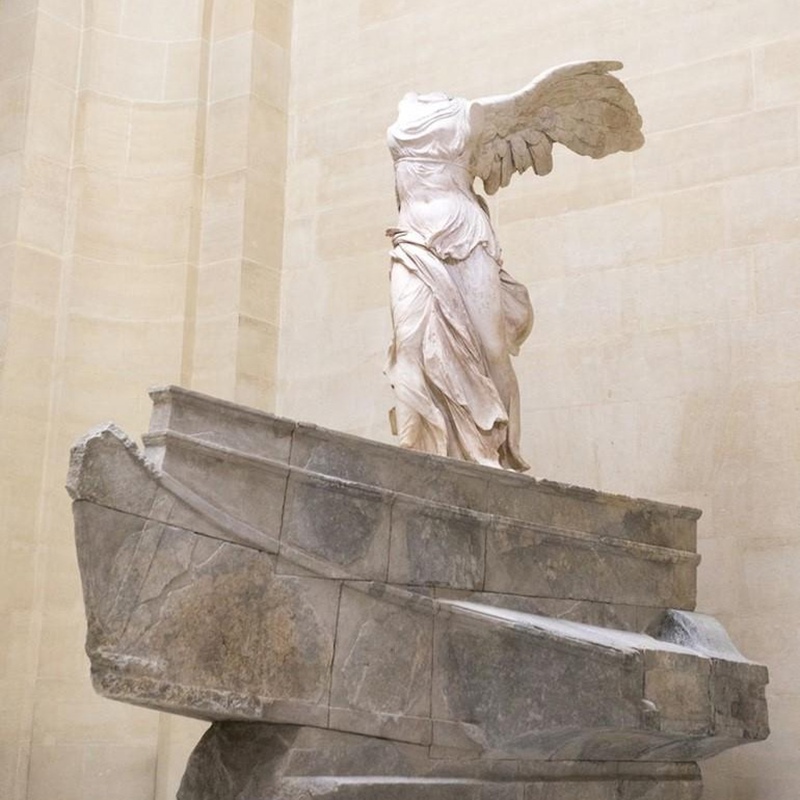
The wings of the *Winged Victory* are spread wide, as if she were floating in mid-air; her robes appear to be billowing last second, and The flowing drapery creates a powerful illusion of wind and movement.
Famous reason
A marble sculpture from the Hellenistic period of Ancient Greece, it depicts Nike—the Goddess of Victory—standing at the prow of a ship. Possessing a powerful sense of dynamism, it is one of the Louvre’s most iconic statues and frequently serves as the visual focal point of the museum’s entrance. Originally created as a votive monument, the sculpture remains profoundly striking and epic in scope, despite lacking its head and arms.
Special:
Captures the sensation of wind and movement by carved marble.
Location
Denon Wing, Level 1, Room 703 (Daru Staircase)

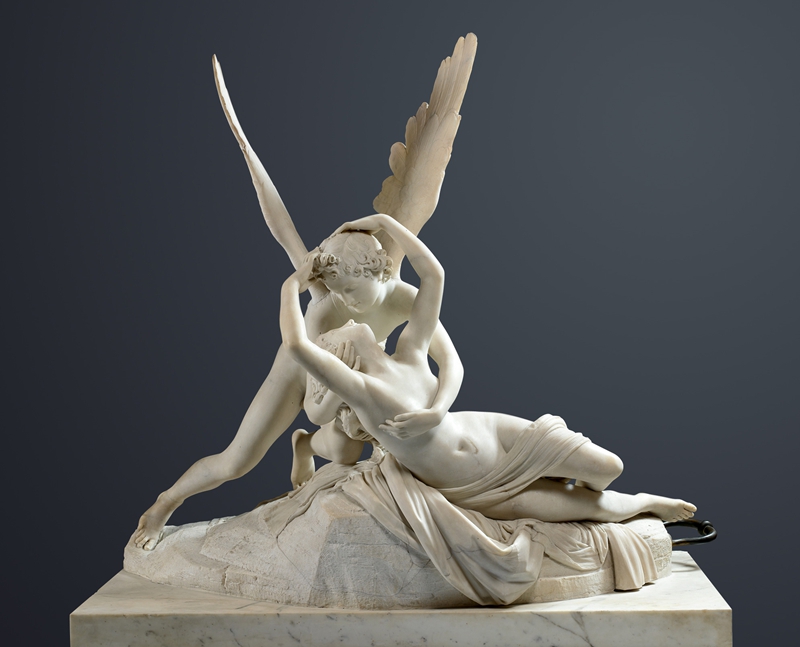
2. Psyche Revived by Cupid’s Kiss, Antonio Canova
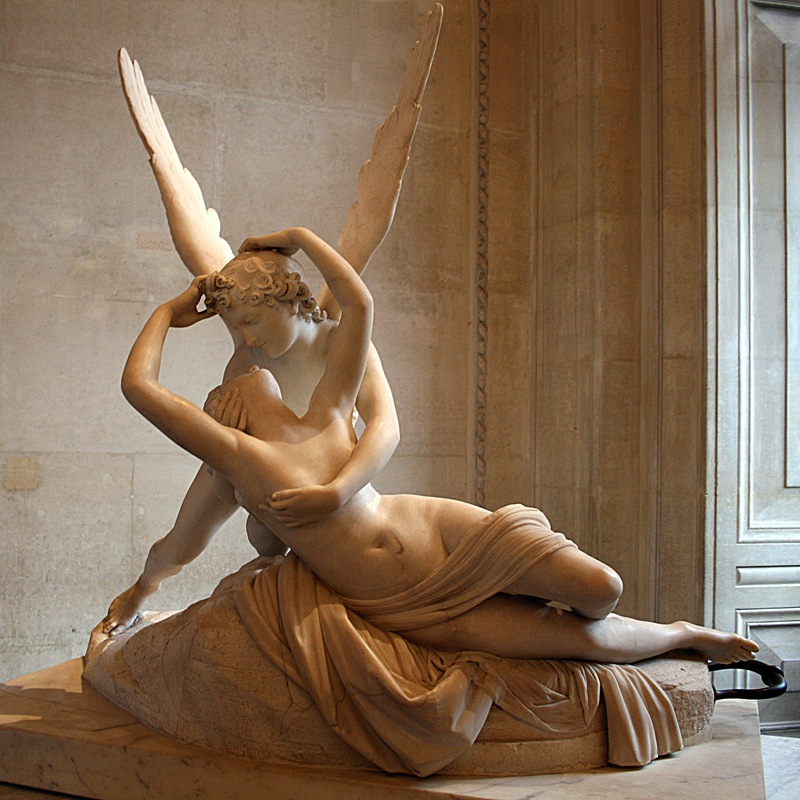
Cupid’s wings are drawn slightly inward, heightening the sense of urgency; the interplay of bodily curves, the tactile quality of marble-like skin, immerse us in this romantic narrative. The work draws its inspiration from Greek mythology of Psyche, who, out of curiosity, opened Persephone’s jar filled with the slumber of the Underworld, fell into a deep stupor, and was ultimately awakened by Cupid’s kiss.
Famous reasons
Ranked among the finest sculptures in the Louvre, Antonio Canova’s work captures a fleeting moment of romantic emotion by marble. The marble sculpture delicate texture of human skin, also express the sense of tenderness and restraint shared between the lovers. The “X” shaped composition not only lends an ethereal lightness to the wings but also perfectly showcases the interplay of the figures’ arms, wings, and flowing curves.
Special:
Marble Carves Out Real, Tangible Emotions
Location:
Denon Wing, Ground Floor, near Galerie Michel-Ange
3. Dying Slave by Michelangelo
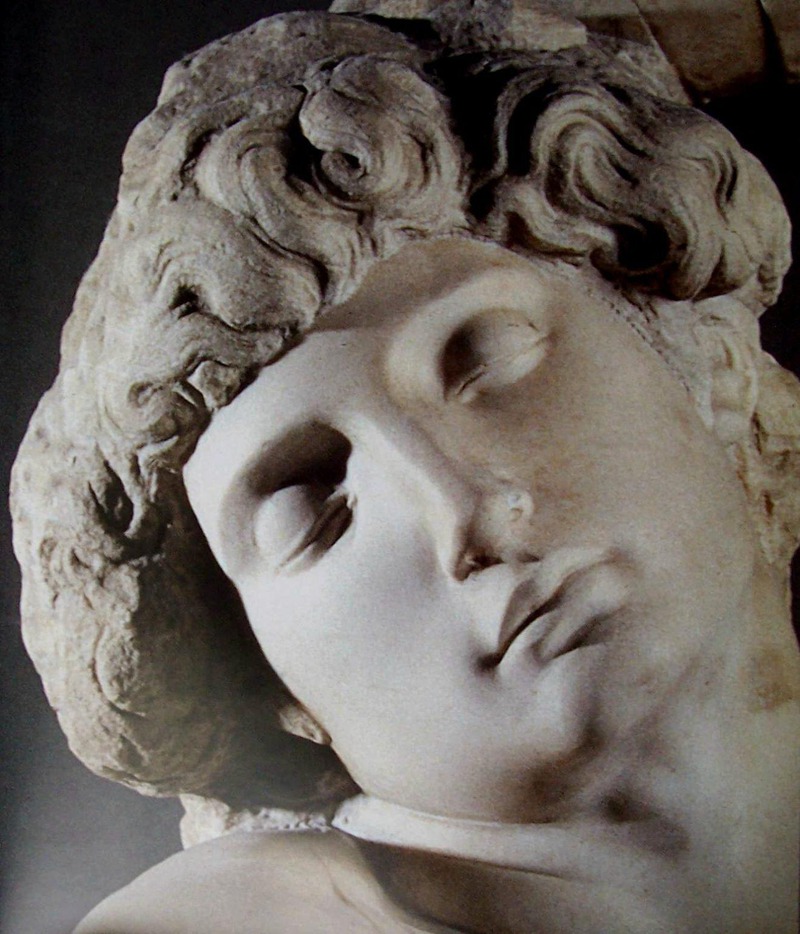
As the slave lay dying—wearing an air of tranquility akin to sleep while his body nonetheless twisted slightly, as if in struggle.
Famous reasons:
Michelangelo completed this famous marble sculpture during the Renaissance, depicting a young man in a state of eternal and agonizing struggle. Originally designed for the tomb of Pope Julius II, it embodies the aesthetic of incompleteness—of being “imprisoned within the stone.”
Special:
A sense of physical power contrasts with a sense of calm that slowly on a spiritual level.
Location:
Located in basically the same area as Canova—the Michelangelo Gallery.
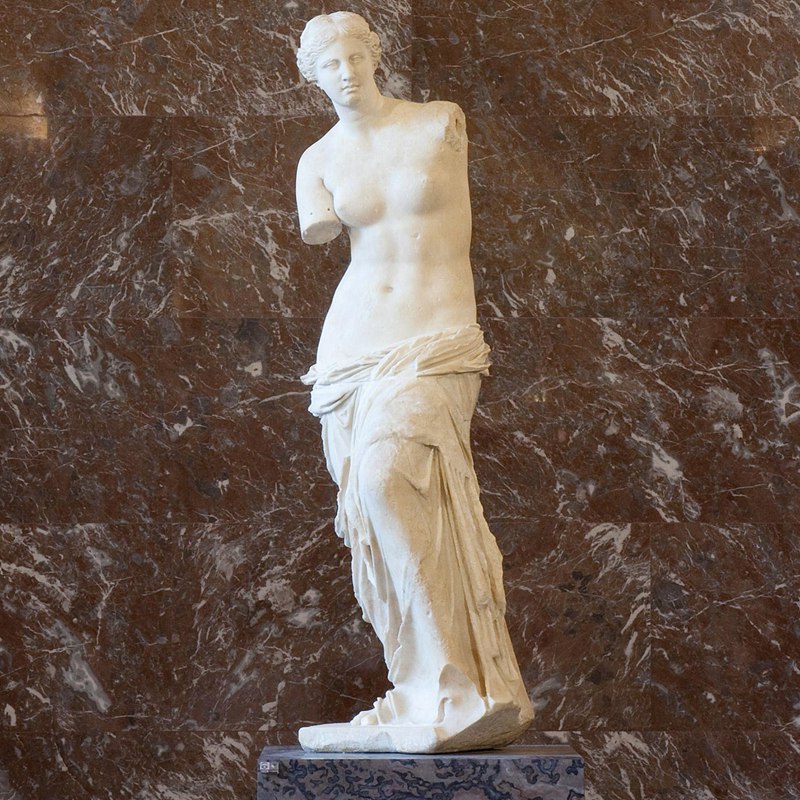
4. Venus de Milo
What is most beautiful are the curves and lines of her body—particularly the contours of her back and waist, as well as the drapery. Partially veiled by the fabric, simultaneously fuel the imagination and reveal the sheer beauty.
Famous reasons:
A classic marble sculpture from the Hellenistic period, discovered on the island of Milos, it is regarded as the epitome of classical female beauty and stands as one of the Louvre’s three great female statues (alongside the *Winged Victory* and the *Mona Lisa*).
Special:
To satisfy people’s ideal of female beauty
Location:
Sully Wing , Ground Floor, Room 345 / Gallery 16
5. Diana of Versailles
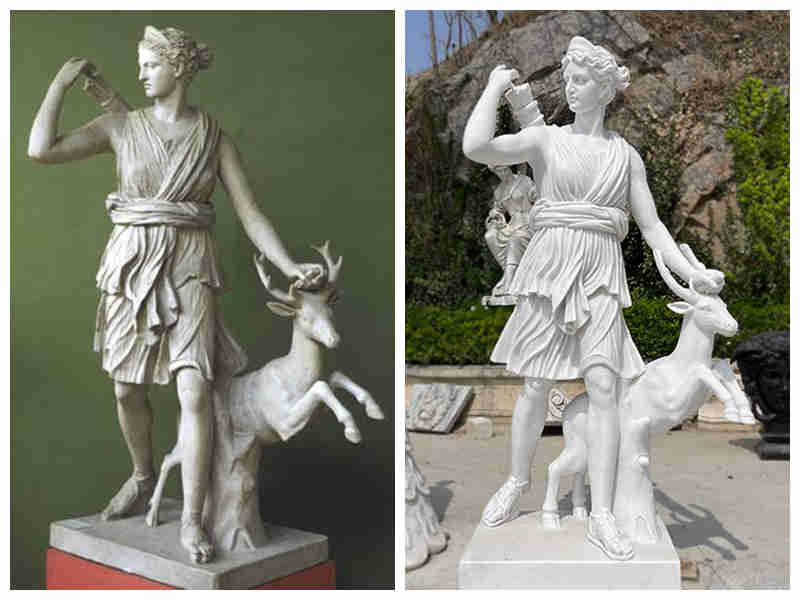
As if Diana herself is walking toward you, the famous Louvre sculpture shifting the center of gravity to evoke the sensation of movement; furthermore, the dynamic flow of Diana garments and the presence of the deer imbue the piece with a narrative quality.
Famous reasons:
This is a Roman-era marble copy, which was housed at the Palace of Versailles for a long period. Depicting Diana (Artemis), the Goddess of the Hunt, alongside a stag, it stands as a quintessential masterpiece of classical hunting iconography.
Special:
Capturing the Goddess’s dynamism and sense of speed.
Location:
Near the Venus de Milo, Ancient Greek and Roman Sculpture Section
6. Athena of Velletri
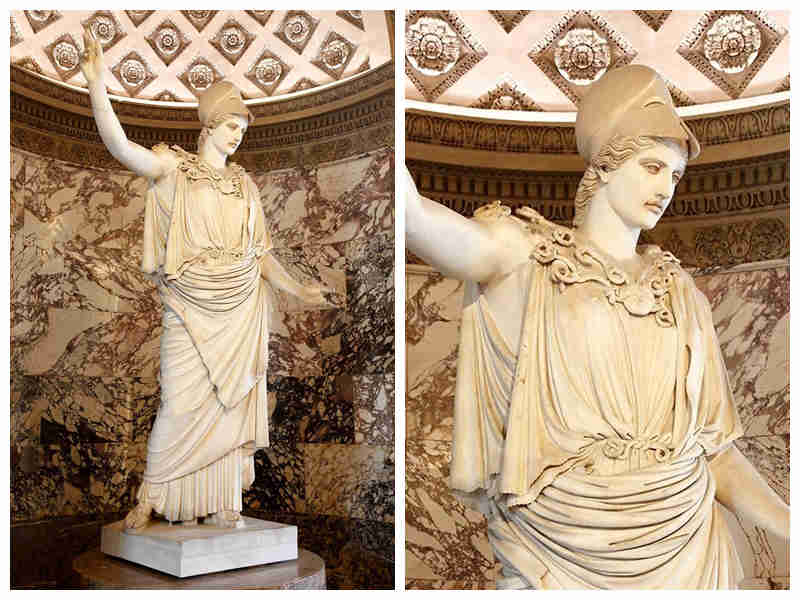
When Athena appears with helmeted and armed, the sense of order and majesty she radiates compels one to fall silent, almost instinctively.
Famous reasons:
A Roman-era marble replica standing approximately three meters tall and wearing a helmet, this sculpture represents the quintessential image of Athena fom the Classical period. Among the sculptures housed in the Louvre, it stands as one of the most compelling embodiments of the goddess as a figure of both order and authority.
Special:
Rationality, Wisdom, and the Aesthetics of Authority
Location:
Within the Greek Sculpture section, near the area housing Venus.
7. Hermaphroditus Asleep
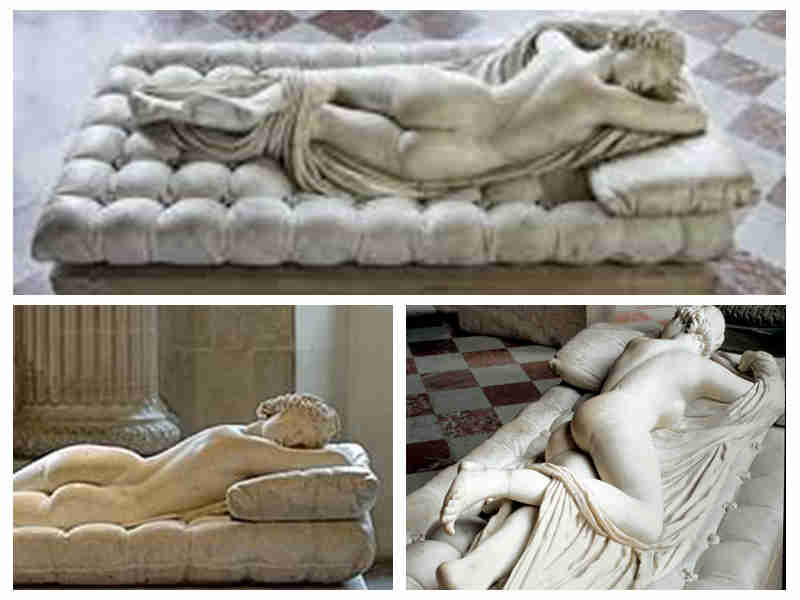
When viewed from behind, your eyes is first captivated by those graceful curves. But when you see the front, the visual transformation is striking to your heart.
Famous reasons:
A Roman marble sculpture depicting Hermaphroditus, combining both male and female physical characteristics. As a renowned sculpture depicting an androgyne, *Hermaphroditus* continues to generate a great deal of discussion and debate.
Special:
Marble sculpture achieve the feel like a mattress, also blurring the boundaries of the human form.
Location:
Sully Wing, deeper within the Classical Sculpture section
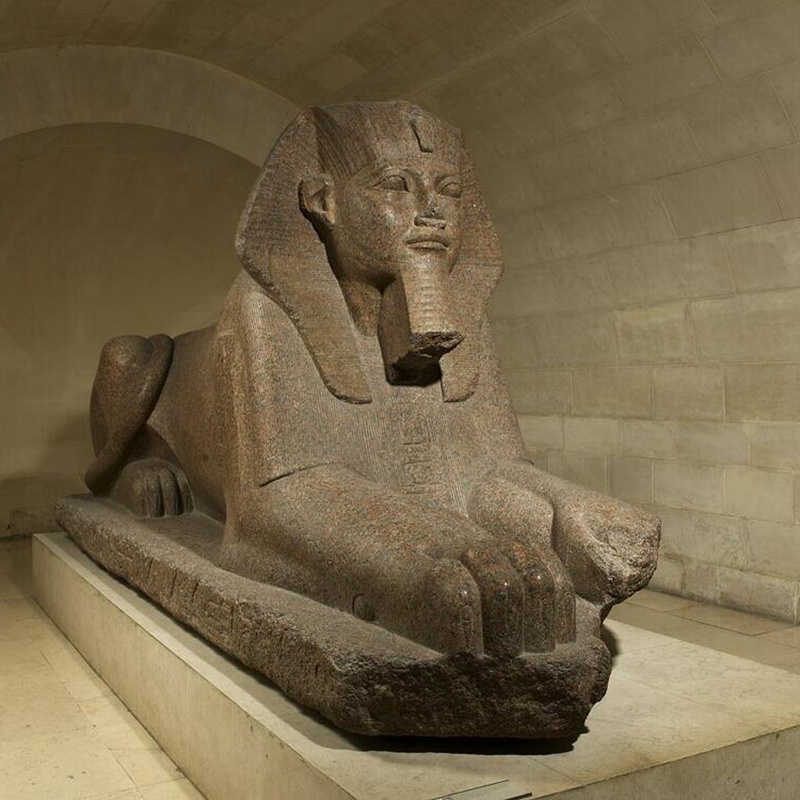
8. Great Sphinx of Tanis
This sculpture in the Louvre is symmetrical. It possesses a silent, aesthetic beauty.
Reasons for its fame:
It is an ancient Egyptian granite statue, which is one of the largest and best-preserved sphinxes in the realm of ancient Egyptian art.
Special:
Exquisitely proportioned, also is a symbol of power and eternity.
Location:
Sully Wing, Level -1, Egyptian Antiquities
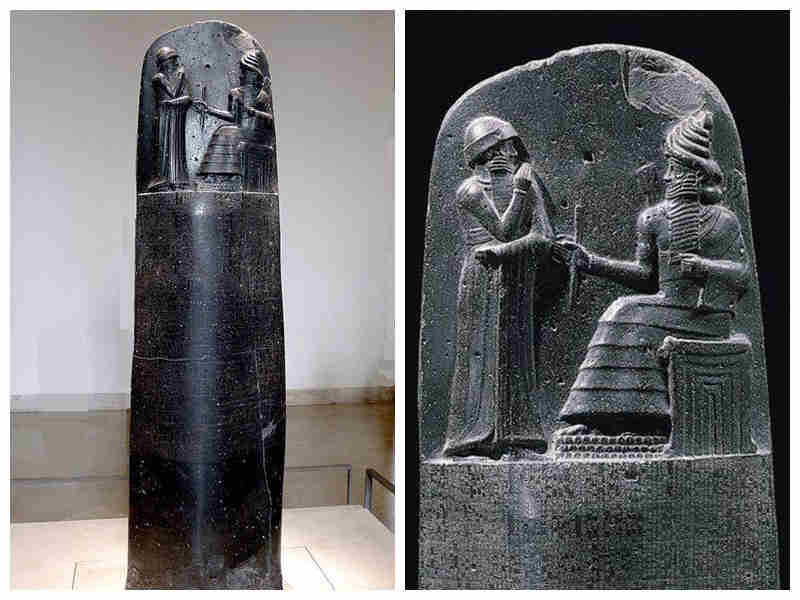
9. The Code of Hammurabi
Famous reasons:
Dating to the 18th century BC, this ancient Babylonian basalt stele is one of the earliest known written legal codes; surmounted by a relief depicting Hammurabi and the sun god Shamash, it stands as a pivotal artifact of ancient law and Mesopotamian civilization.
Special:
Represents order and power.
Location:
Richelieu Wing, Near Eastern Antiquities, Room 227
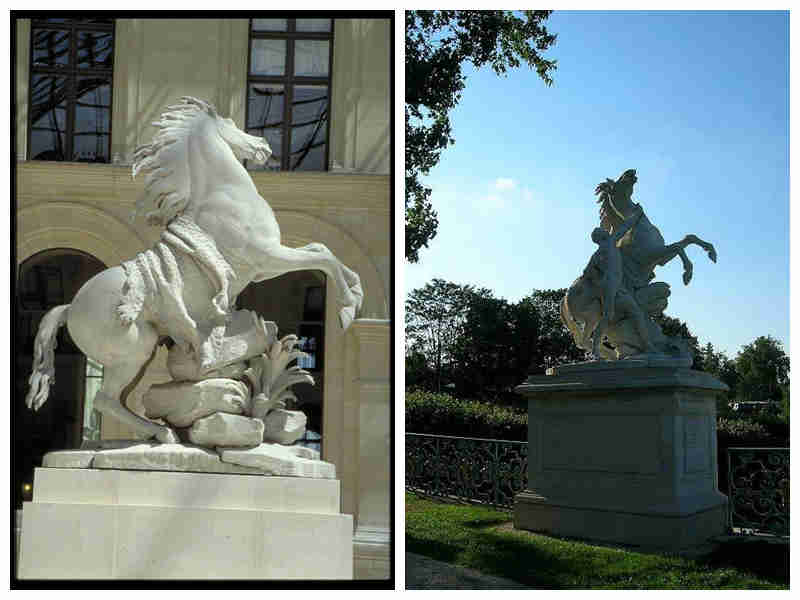
10. Marly Horses by Guillaume Coustou
It resembles a real horse reining in a force on the verge; the contours of muscles and the texture of its coat are so lifelike that it is difficult to imagine it was carved from marble.
Famous reasons:
These are two magnificent marble sculptures created by the French sculptor Guillaume Coustou; their aesthetic of power influenced the development of 19th-century Romanticism and public monumental sculpture, serving as exemplary representations of the horse tamers in European art.
Special:
Feel the explosive power emanating from the marble sculpture.
Location:
Richelieu Wing, Cour Marly
Why Do Louvre Sculptures Still Influence Modern Sculpture Art?
-As a standard
In sculpture, the Louvre Sculptures are exquisite and combining realistic anatomy with idealized artistic beauty.
-Express the emotional
A fine sculpture can convey emotion—much like the Goddess of Victory or Athena—for even in a static form, we can still perceive the feelings and vitality that the sculpture imparts.
-Evoking Resonance
Beyond merely satisfying the human pursuit of beauty, these top sculptures at the Louvre also stir specific emotions and foster a sense of cultural identity.
Conclusion
When these works—having traversed the vast river of a thousand years—appear before your very eyes, art and history intertwine to strike a resonant chord deep within the soul; in that moment, these famous marble sculpture transcends its intrinsic material worth to embody a significance far greater than itself.
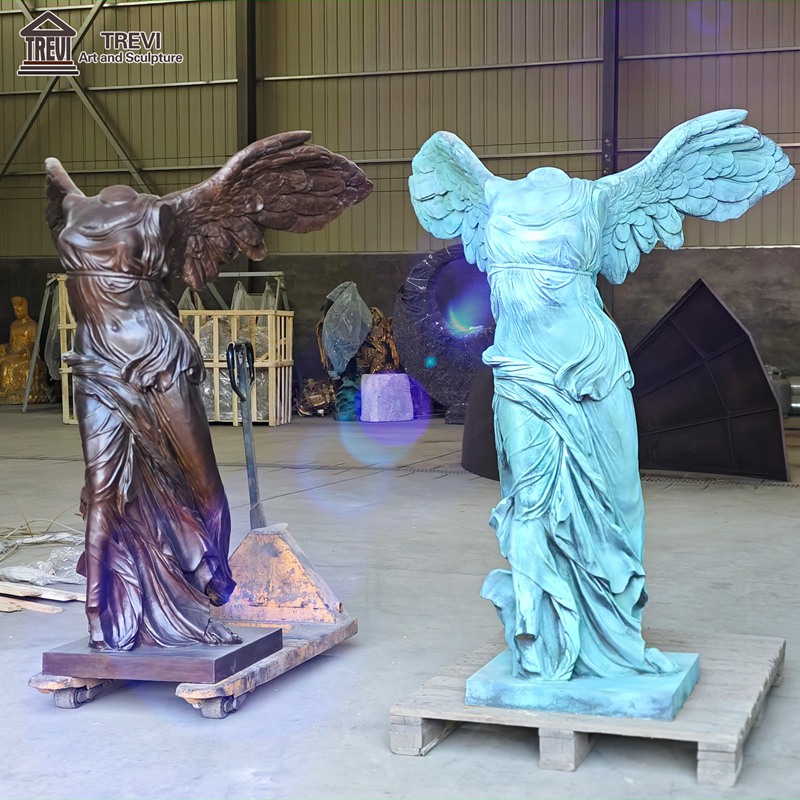
For art lovers inspired by these timeless masterpieces, marble sculpture replicas can also bring a classical atmosphere into modern spaces. Trevi Sculpture offers handcrafted marble sculptures inspired by famous historical artworks. Through detailed casting, we can provide the reliable quality and realistic appearance of marble sculpture.
FAQ:
How to Explore the Louvre’s Sculptures Efficiently
Denon Wing – Sully Wing – Richelieu Wing
Denon Wing:
– Winged Victory (Nike of Samothrace)
– Psyche Revived by Cupid’s Kiss
– Dying Slave
Sully Wing:
– Venus de Milo
– Diana of Versailles
– Athena
– Sleeping Hermaphroditus
– Great Sphinx of Tanis
Richelieu Wing:
– Code of Hammurabi
– Marly Horses
How Can Beginners Appreciate Sculpture Art?
– Materials
Through their professional craftsmanship, artists carve natural marble to achieve a lifelike, skin-like appearance and capture the flowing quality of fabric.
– Movement and Emotion
While sculptures are inherently stationary objects, high-quality works often manage to convey a sense of dynamic movement.
Which Louvre Sculptures Should Beginners See First?
Winged Victory. As you ascend the grand staircase, the Winged Victory stands majestically at the prow of a ship.
This sculpture embodies the human appreciation for anatomical beauty and the exquisite craftsmanship of marble carving; it also symbolizes the messenger of victory and the pantheon of mythological gods. Furthermore, from an artistic perspective, it masterfully creates the illusion of a moment frozen in time.
Which Sculptures Deserve a Slow, Deliberate Viewing?
Winged Victory
Venus de Milo
Psyche
Marly Horses
We recommend viewing these works slowly—ideally by walking around them. Focus on their center of gravity, transitional lines, back profiles, or overall silhouettes.
Which Sculpture Is Best Suited for Photography?
Marly Horses—this spot is particularly excellent for taking photos.
The lighting is exceptionally beautiful.
The space is vast and expansive.
It is relatively less crowded.
The scale of the sculptures is truly astonishing.
Which Artworks Look Even Better in Real Life Than in Photos?
Great Sphinx of Tanis: It possesses an overwhelming, imposing presence.
The Code of Hammurabi: In person, it appears massive and is truly awe-inspiring.
Athena of Velletri: Viewing the goddess from below allows you to fully appreciate her majesty and authority.
Sleeping Hermaphroditus: The physical act of walking around the sculpture—and the resulting visual shift in perspective—evokes a profound psychological transformation in the viewer.


